
Krittapas Chanchaiworawit, PhD
Principal Investigator · SEA OtTeRS and SEAL Lab · Team PI

- Affiliation
- National Astronomical Research Institute of Thailand (Public Organization)
- Role in team
- PI · proposals, collaborations, monitoring campaigns, SPDT program
- Since
- 2021
Krittapas (Bright) Chanchaiworawit is an extragalactic astrophysicist and instrument builder at the National Astronomical Research Institute of Thailand (NARIT), where he leads two research groups: SEA OtTeRS, an extragalactic astronomy and time-domain group that operates its own low-resolution spectrographs on the Thai National Telescope (TNT) and the Thai Robotic Telescopes (TRT), and SEAL Lab, Thailand's first ultra-precision single-point diamond-turning laboratory for astronomical and space optics.
His research asks how galaxies, their central black holes, and their environments assemble and interact across cosmic time: how large-scale structure formation influences or quenches star formation at high redshift toward the epoch of first assembly and reionization, and how supermassive black holes grow and co-evolve with their host galaxies, studied through time-domain monitoring of AGN variability. He initiated NARIT's simulation work for ESA's ARRAKIHS mission and serves as the institute's liaison to the mission consortium.
He holds a BS in Physics from Lehigh University (2012) and an MS (2014) and PhD in Astronomy (2018) from the University of Florida, where his dissertation reported the discovery of the highest-redshift protocluster of Lyman-α emitters at z = 6.5. He was a Postdoctoral Associate at the University of Florida (2018–2019) and a Postdoctoral Fellow at Florida Atlantic University (2019–2021) before joining NARIT as a Researcher in 2021.
Projects
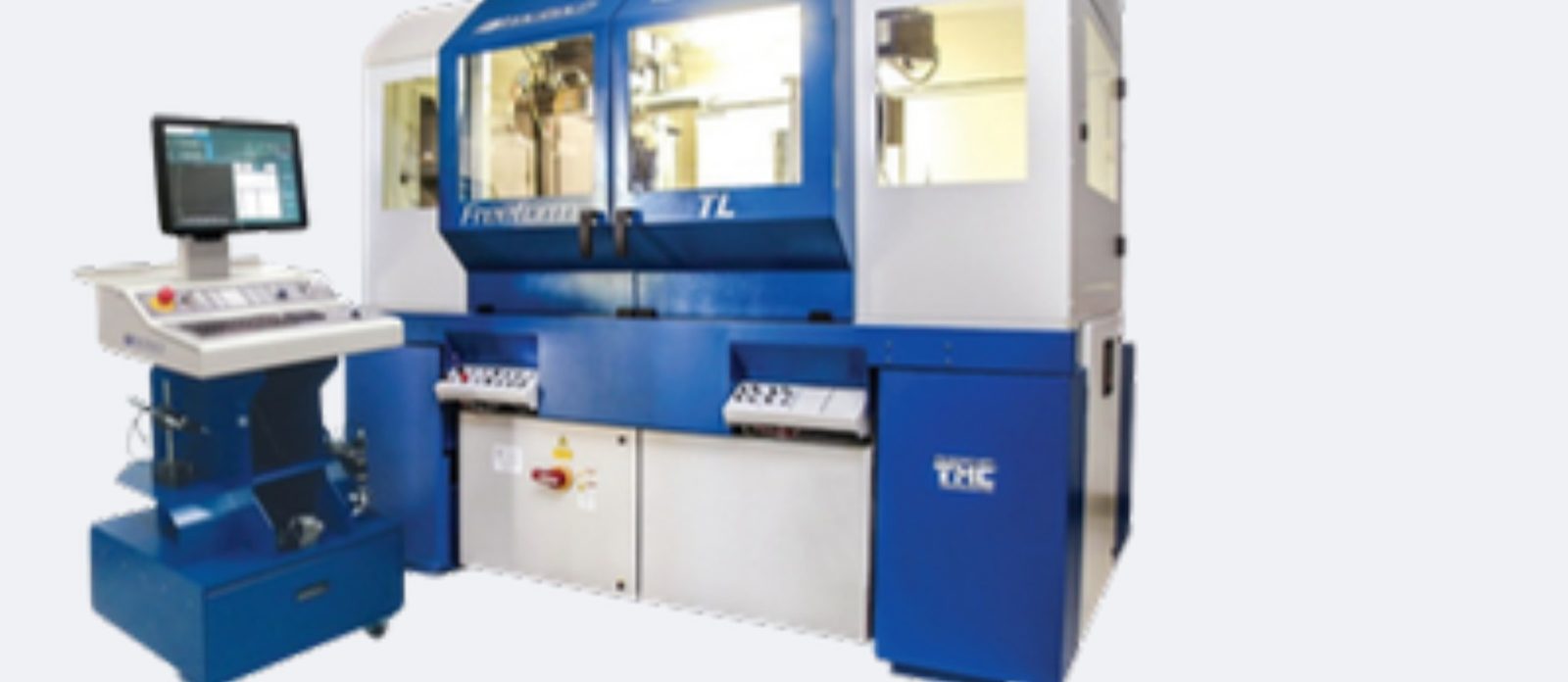
SPDT Engineering, Assembly, and Laser Metrology Laboratory
Thailand's first ultra-precision reflective-surface laboratory: 5-axis single-point diamond turning, surface metrology, and a complete design-to-metrology production line for metallic and freeform optics.
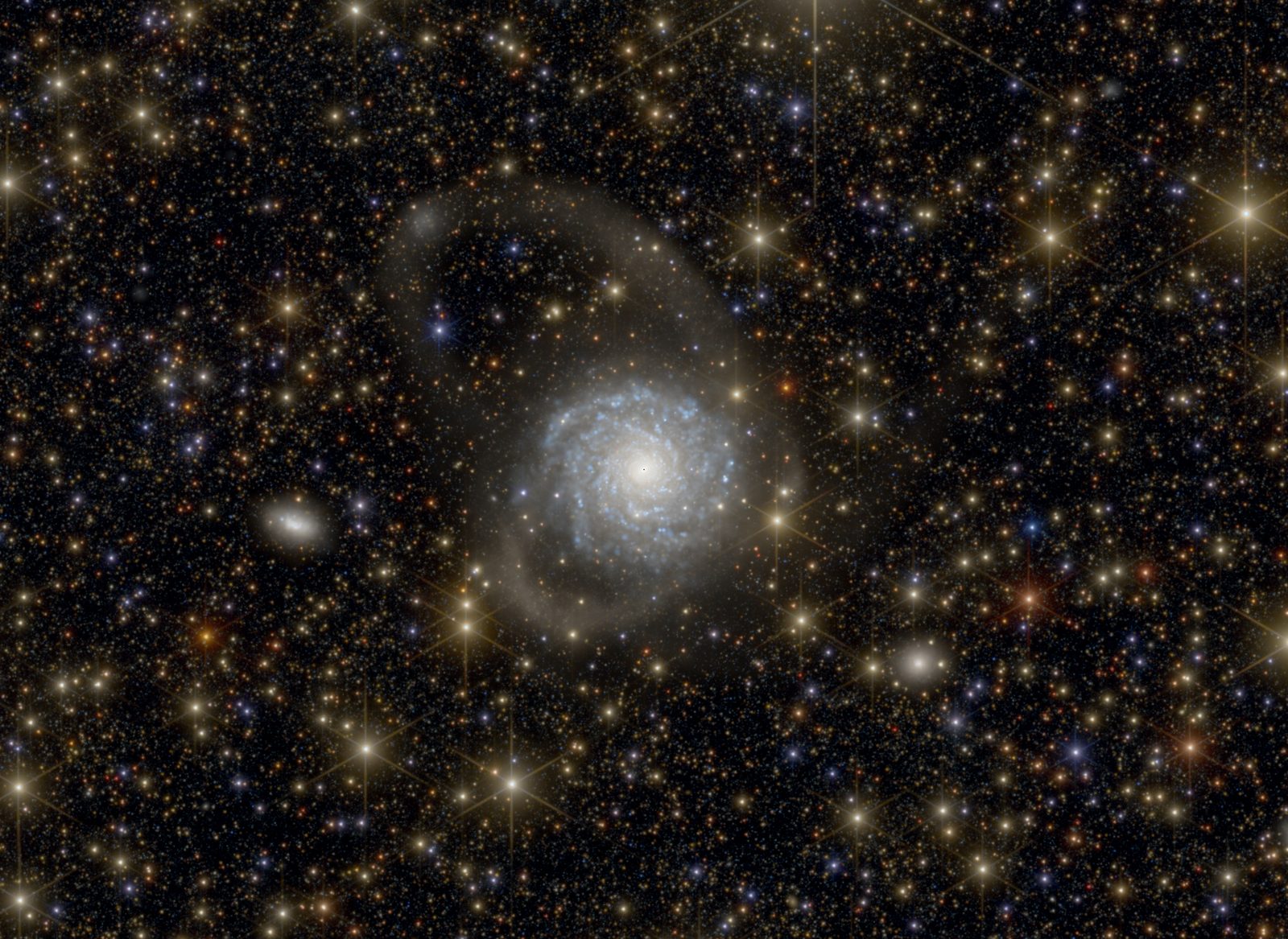
ARRAKIHS mission simulations
Mission simulations and mock observations for ESA's ARRAKIHS dark-matter space telescope; NARIT is the first Thai institute in an approved ESA mission.
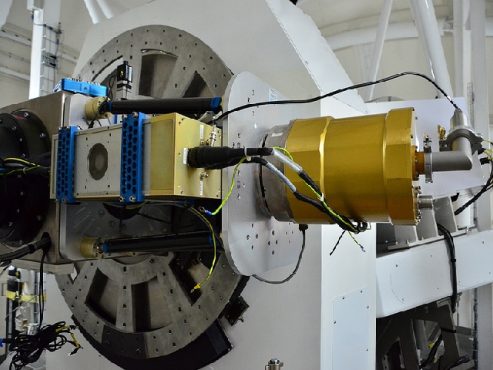
Photometric reverberation mapping of a z = 0.535 AGN in MACS J1149
Multi-band (ugriz) monitoring of an AGN behind the galaxy cluster MACS J1149 with ULTRASPEC on the 2.4-m TNT to measure time lags and infer the black-hole mass.
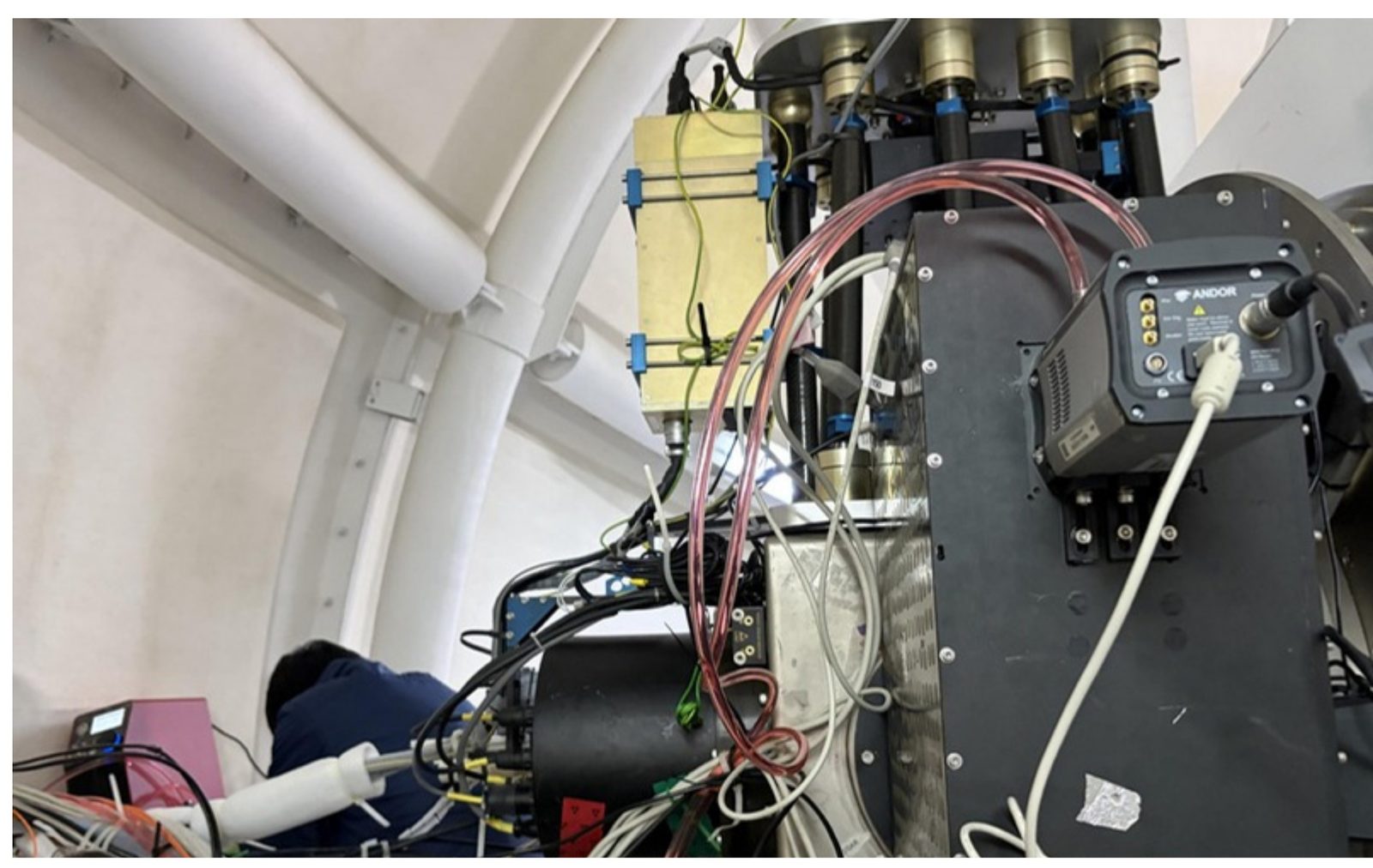
Low-Resolution Spectrograph for the 2.4-m Thai National Telescope
Interchangeable long-slit spectrograph for the 2.4-m TNT with on-the-fly slit change, a high-resolution VPH grating, and an off-axis pick-off mirror for guiding.
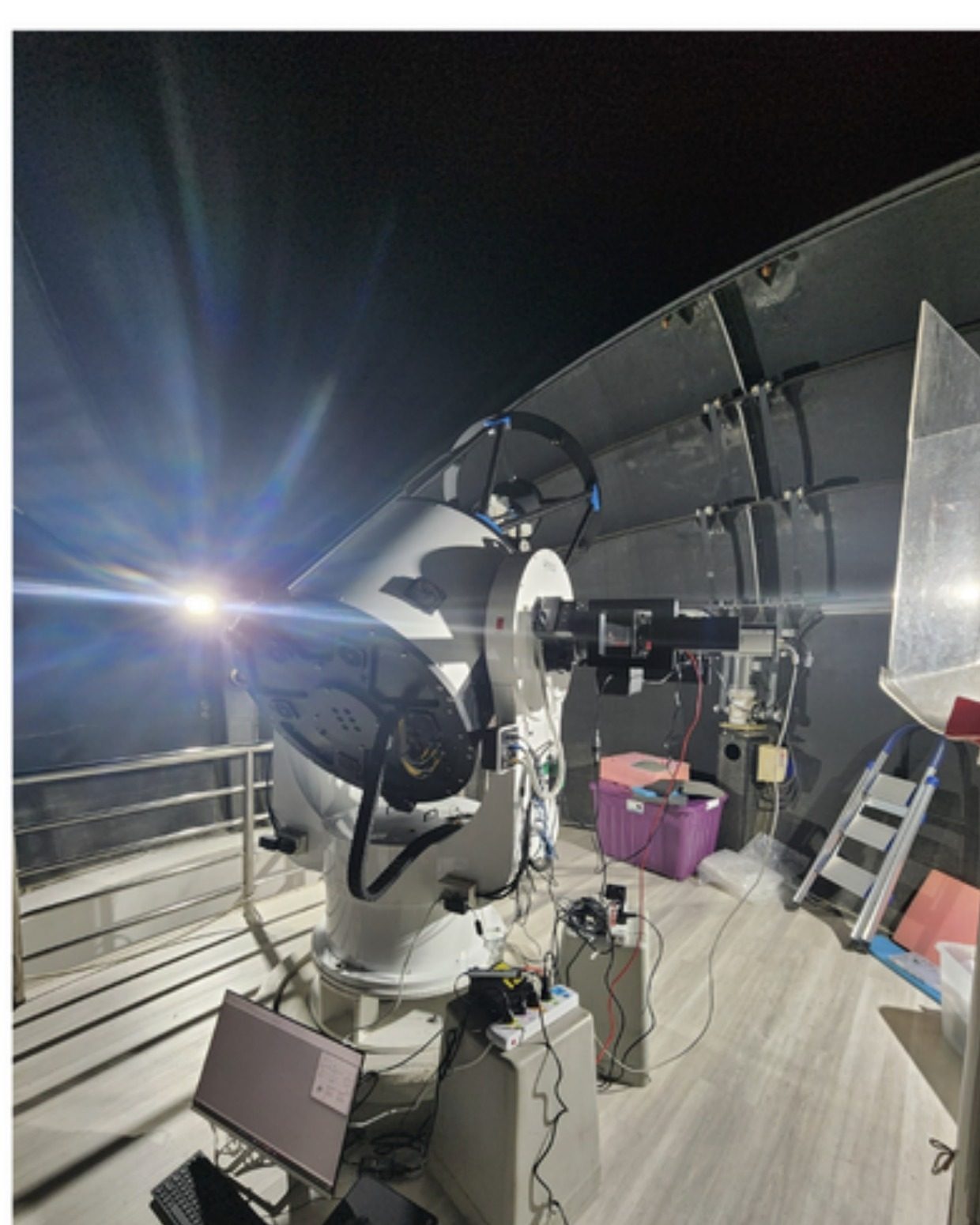
Compact Low-Resolution Spectrograph for the 0.7-m Thai Robotic Telescopes
Single long-slit spectrograph with dichroic-split iz-band guiding for fully robotic transient classification and AGN reverberation monitoring on the 0.7-m TRT.
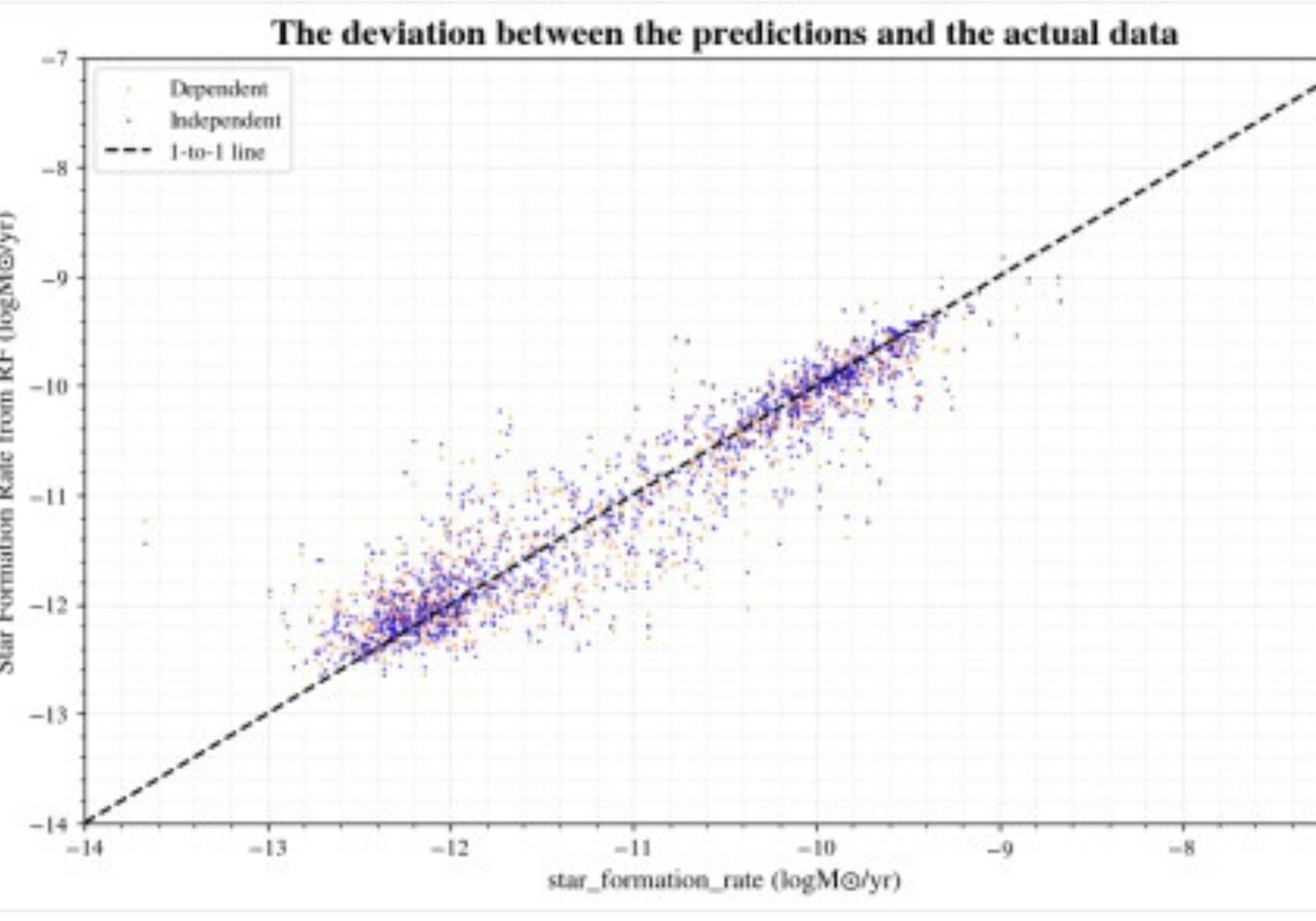
Machine-learning parameter extraction for high-redshift galaxies
Machine-learning inference of physical properties and redshift classes of JWST-era high-redshift galaxies from photometry and imaging.
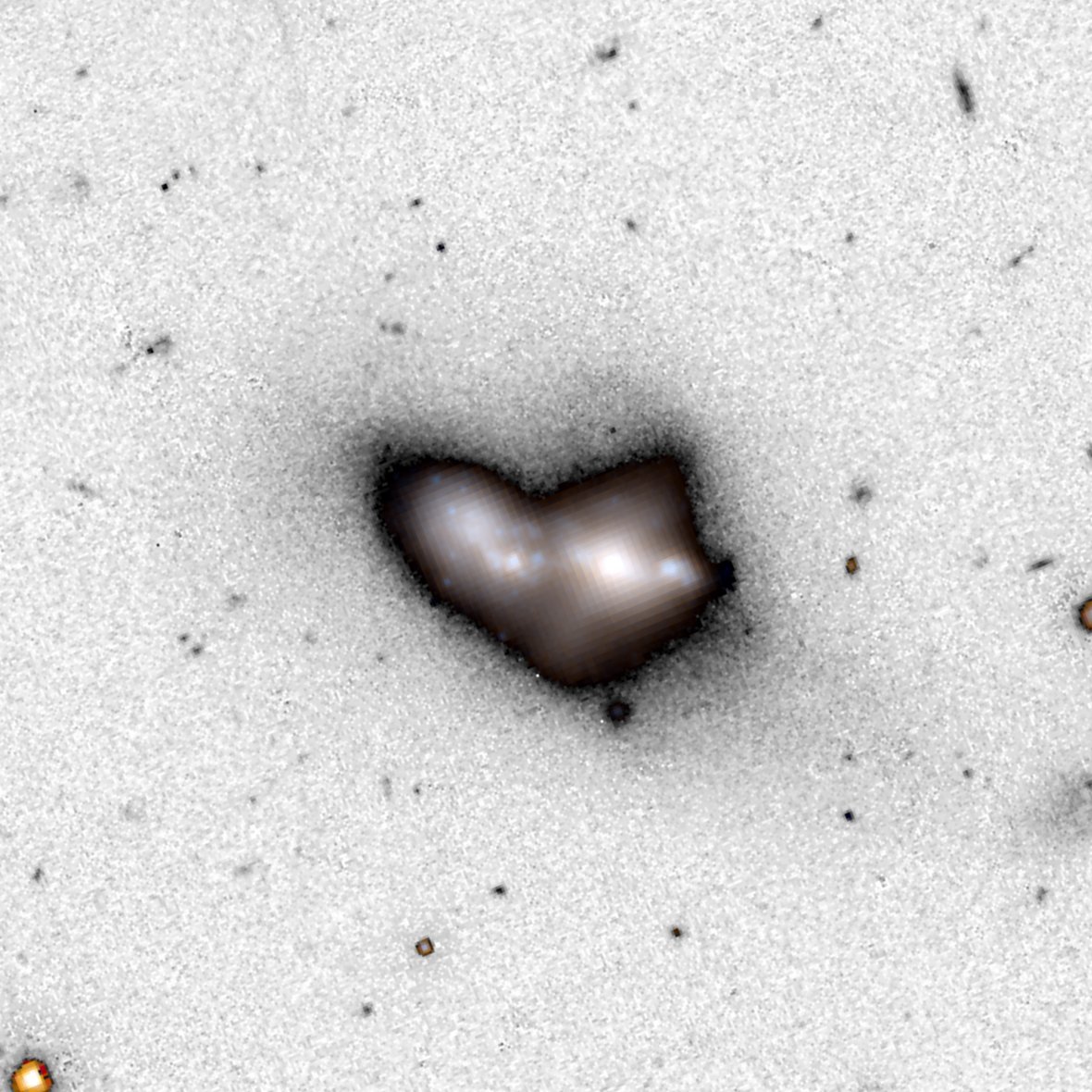
Local H II galaxies with GTC/MEGARA
Spatially resolved IFU spectroscopy of local luminous compact blue galaxies as low-redshift analogs of high-redshift galaxies and as cosmic distance indicators.
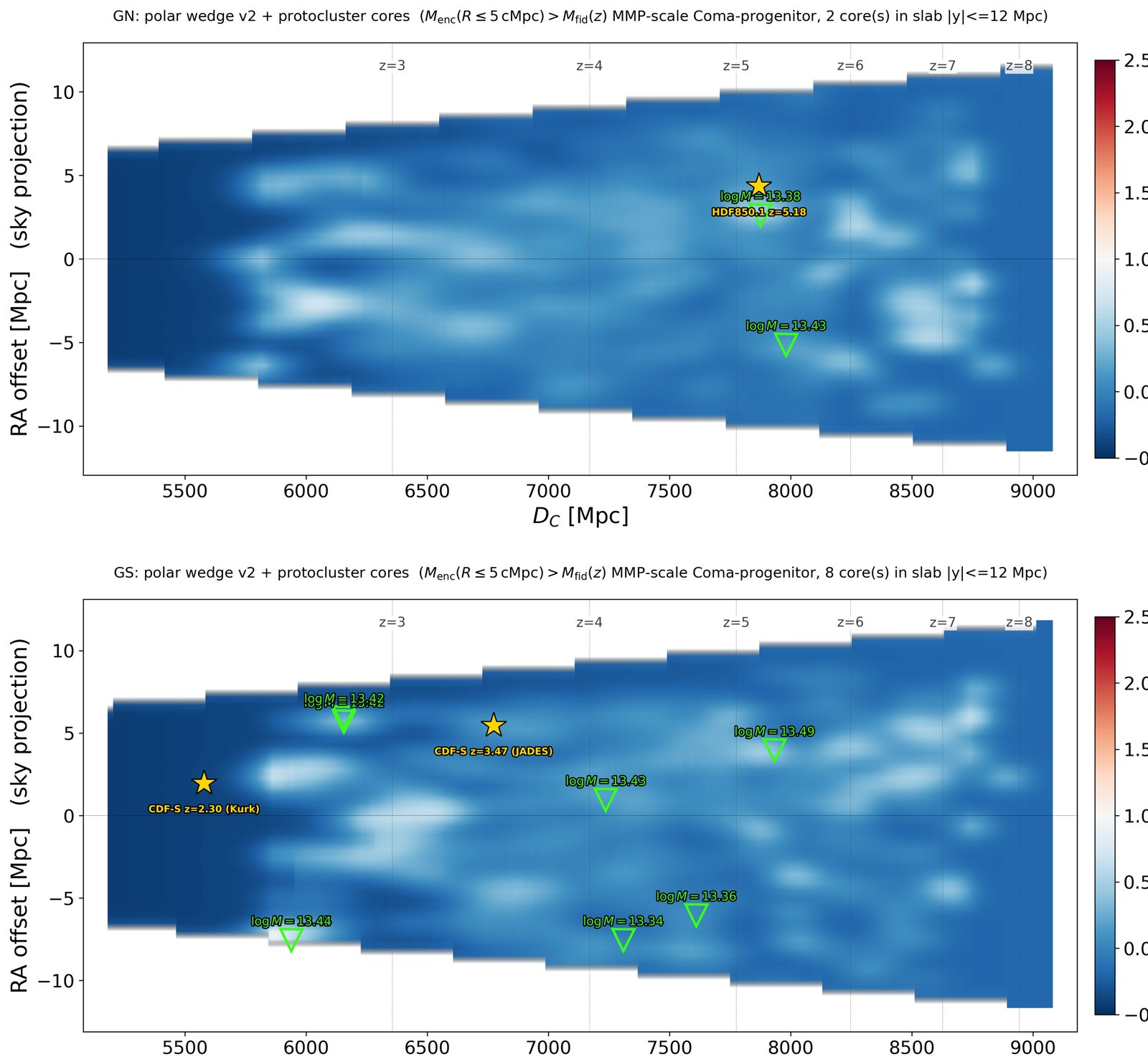
Bursty star formation at z > 6 in the JWST era
How large-scale structure formation enhances or quenches star formation on the main sequence at z > 6, toward the epoch of first assembly and reionization.
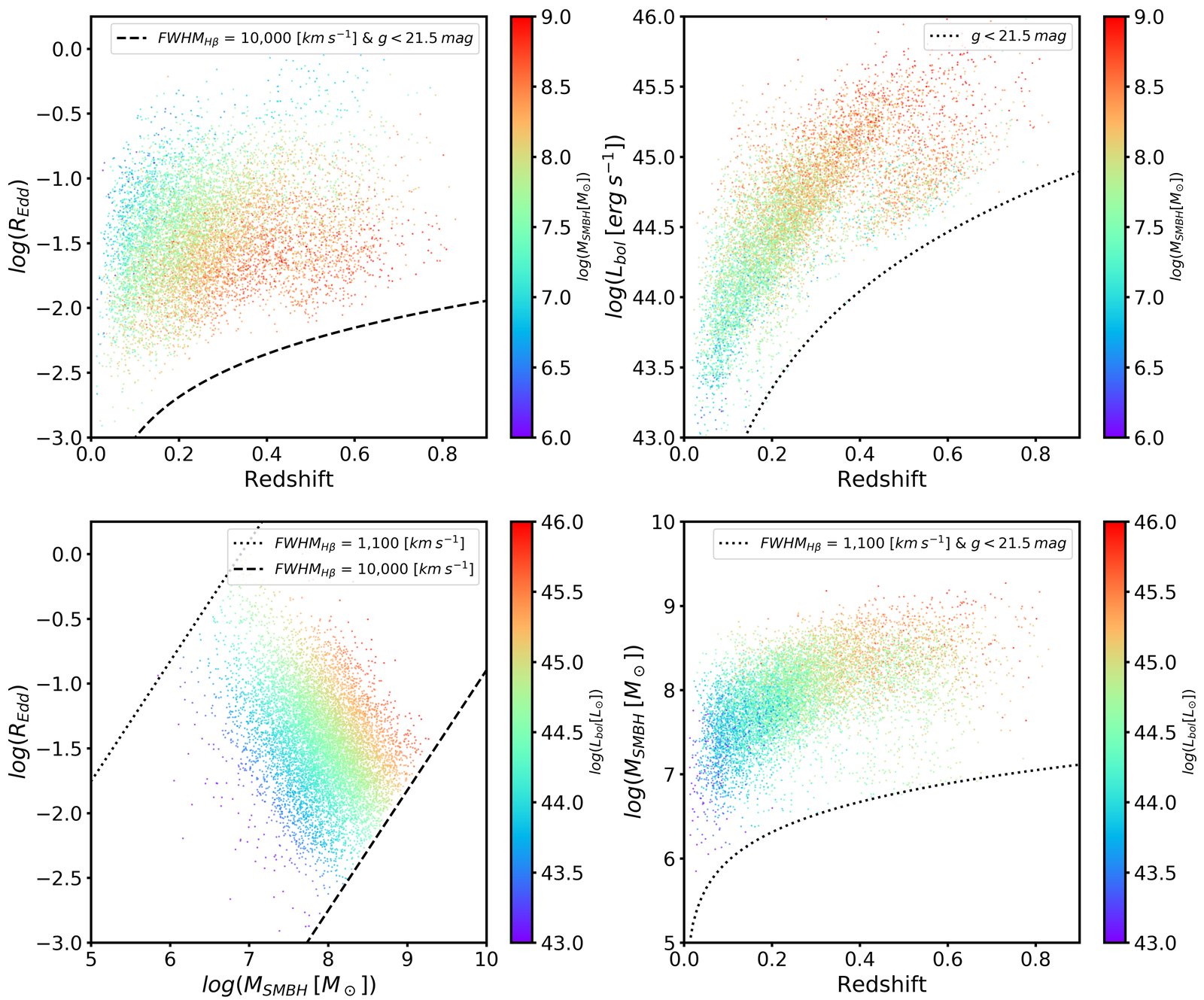
Ensemble AGN variability in SDSS DR17
Ensemble structure functions of intrinsically low-luminosity AGN at z < 0.84 from PCA-decomposed SDSS spectra (Chanchaiworawit & Sarajedini, ApJ 2024).
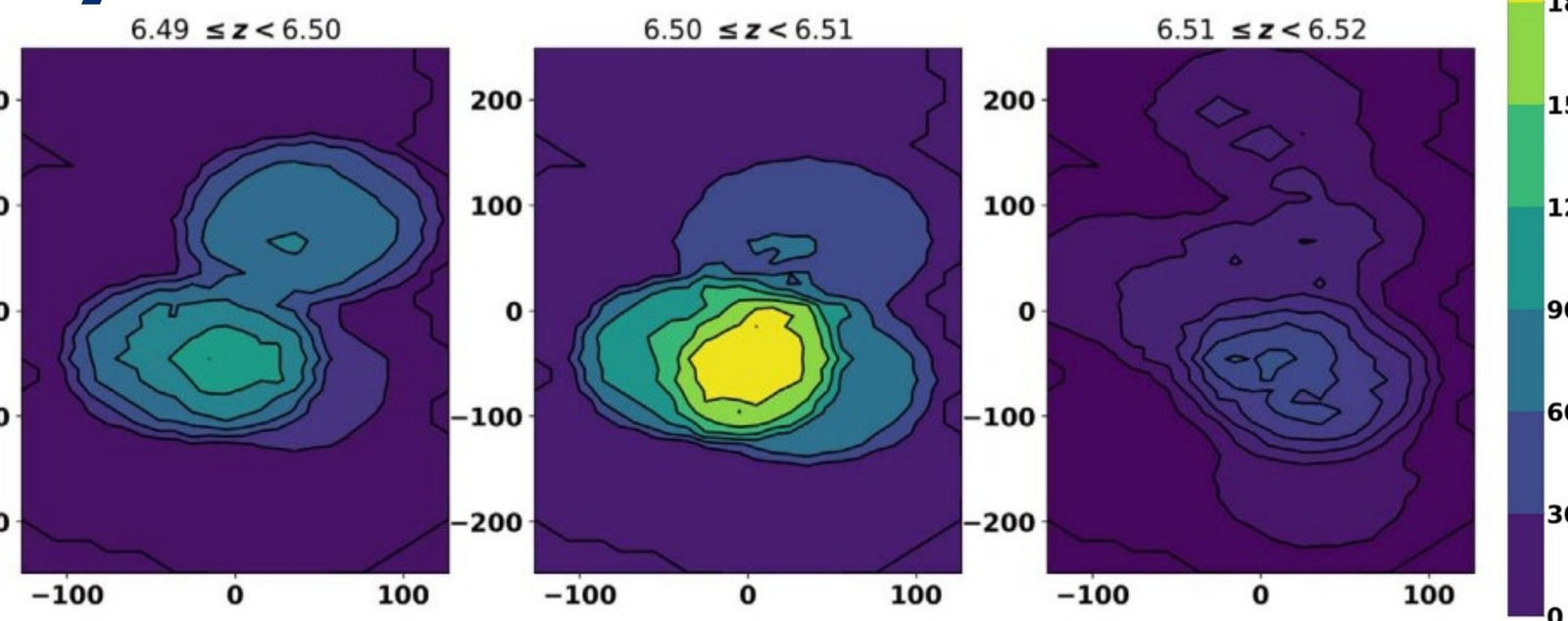
Lyman-α emitter protocluster at z = 6.5
Discovery and spectroscopic confirmation of a Coma-analog protocluster of Lyman-α emitters at z = 6.5 with the 10.4-m GTC (OSIRIS imaging and multi-object spectroscopy).
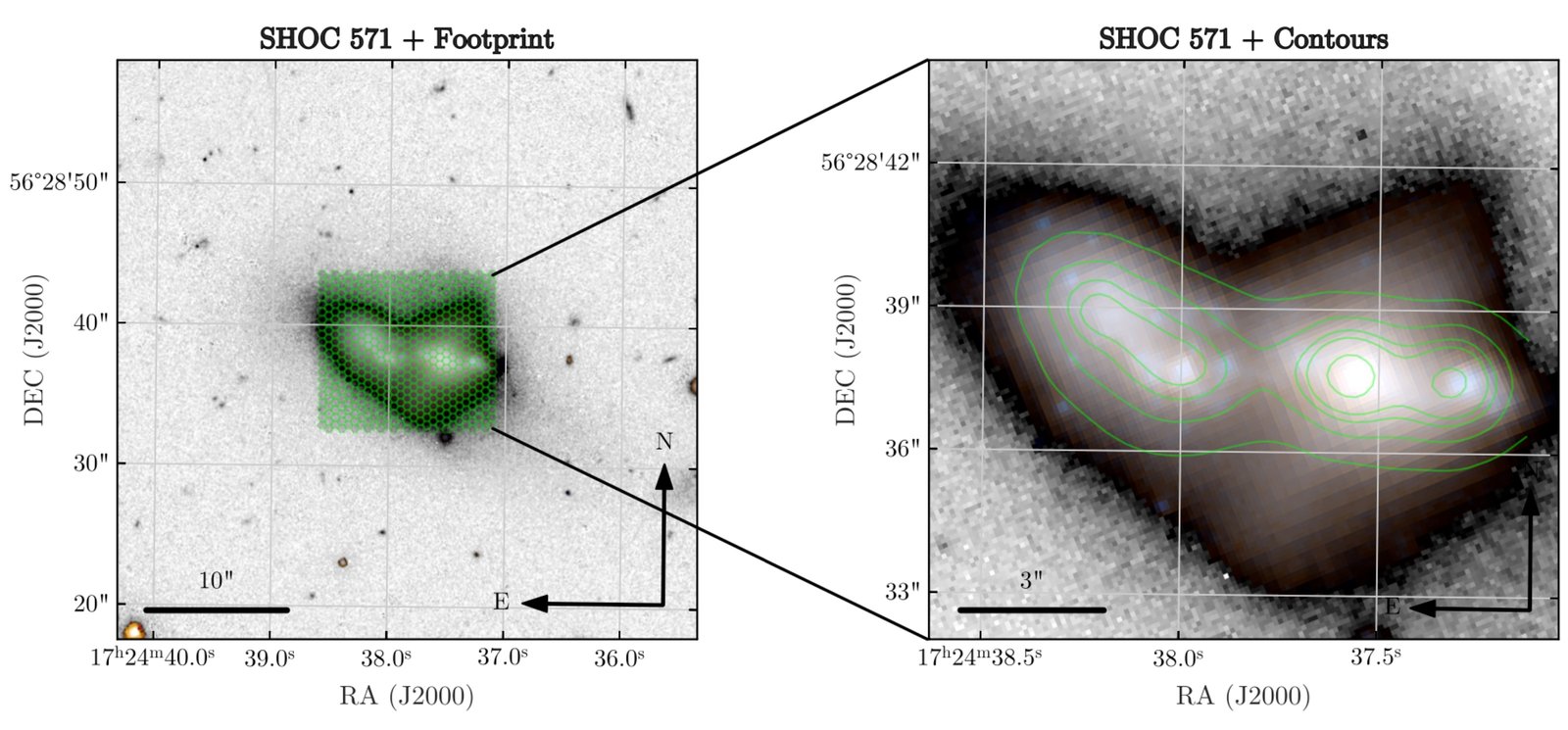
H II galaxies at z ≈ 1.5–2.5 with GTC/EMIR
Near-infrared multi-object spectroscopy of H II galaxies at z = 1.5–2.5 with EMIR on the 10.4-m GTC, extending the L(Hβ)–σ relation as a cosmic distance indicator.
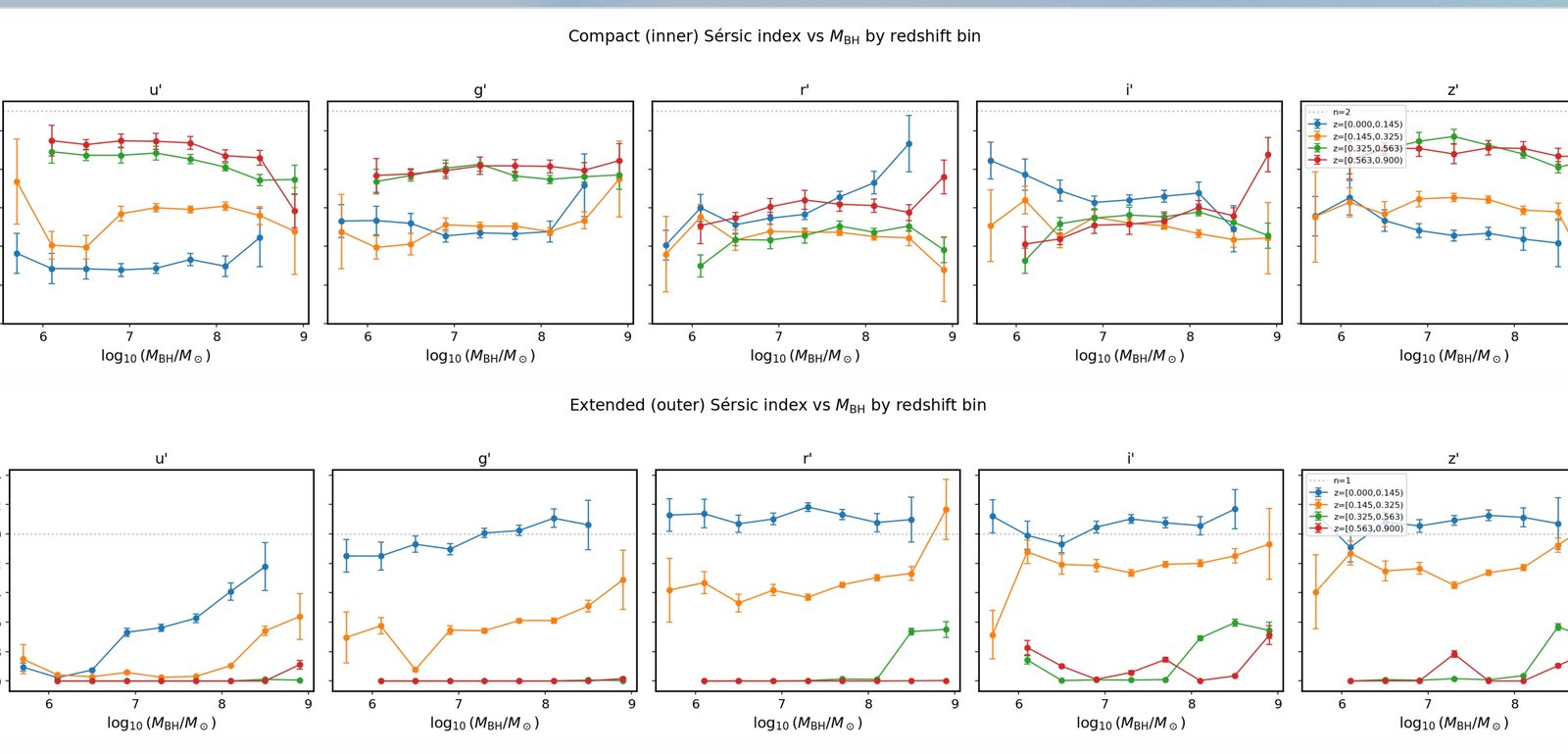
AGN host-galaxy morphology across cosmic time
Sérsic-profile decomposition of ~16,000 SDSS AGN hosts as a predictor of supermassive black-hole growth (Klipbua, Chanchaiworawit & Sarajedini, APRIM 2026).
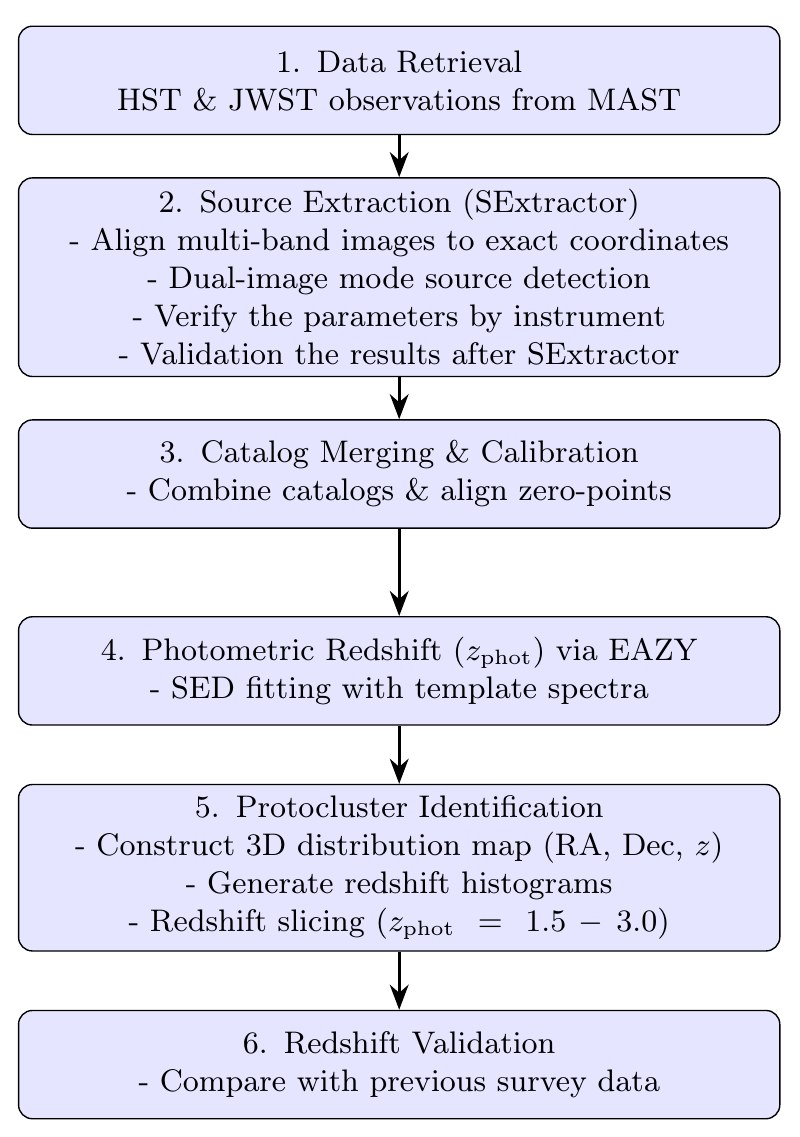
Protocluster candidates at cosmic noon (z = 1.5–3.0)
Building a unified catalog of protocluster candidates at z = 1.5–3.0 from the JWST PASSAGE and SAPPHIRES pure-parallel surveys, and measuring their ages, gas fractions, and quenched fractions.
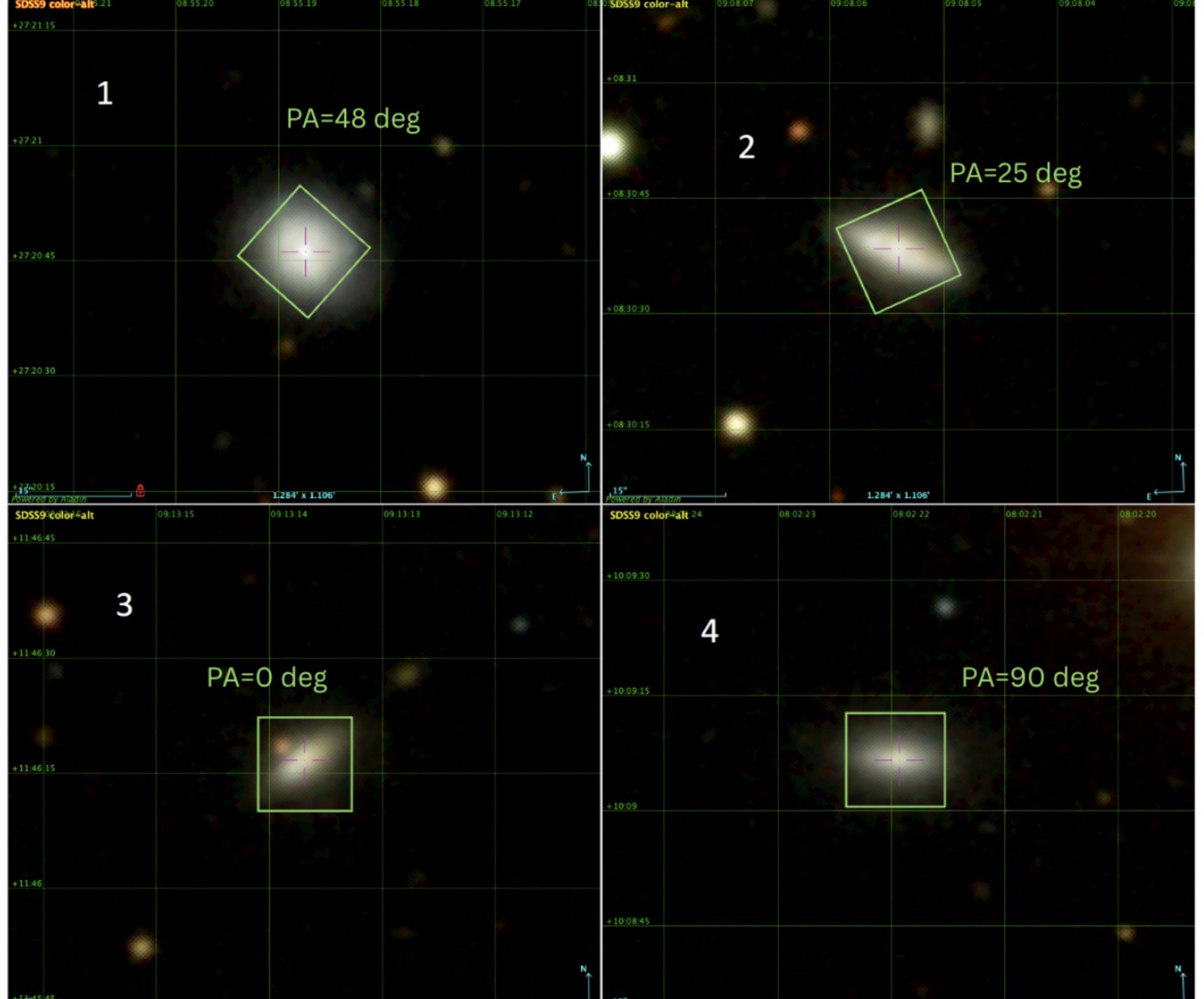
Star formation, spin, and environment with IFUs
Integral-field study of star formation, the spin parameter, and local matter density in galaxies with MEGARA/GTC, MaNGA/SDSS, and Hector/AAT.
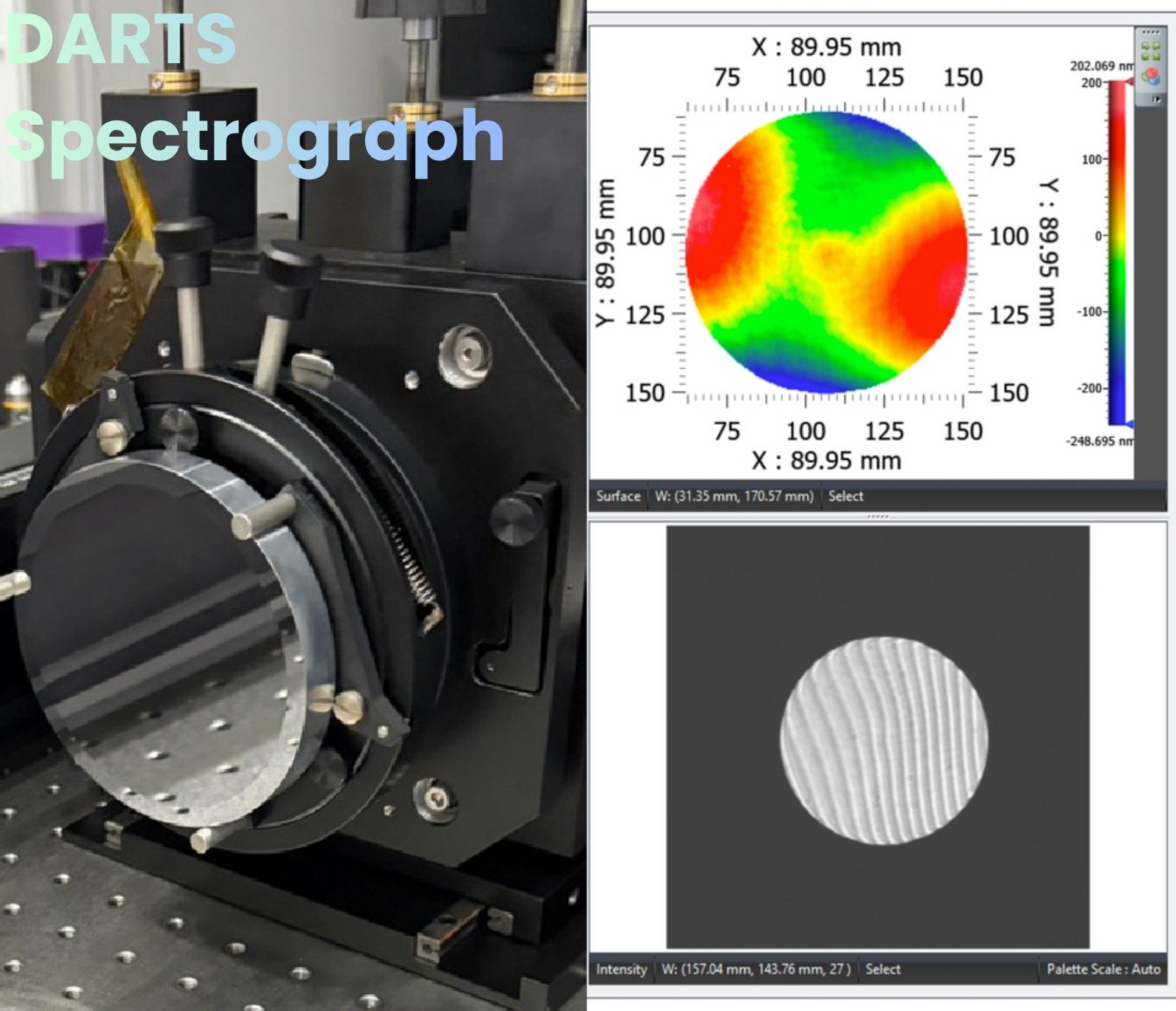
DARTS alignment and slit-viewing mirrors
Diamond-turned slit-viewing mirrors and slit masks for DARTS, the robotic transient spectrograph NARIT is building for Lick Observatory.
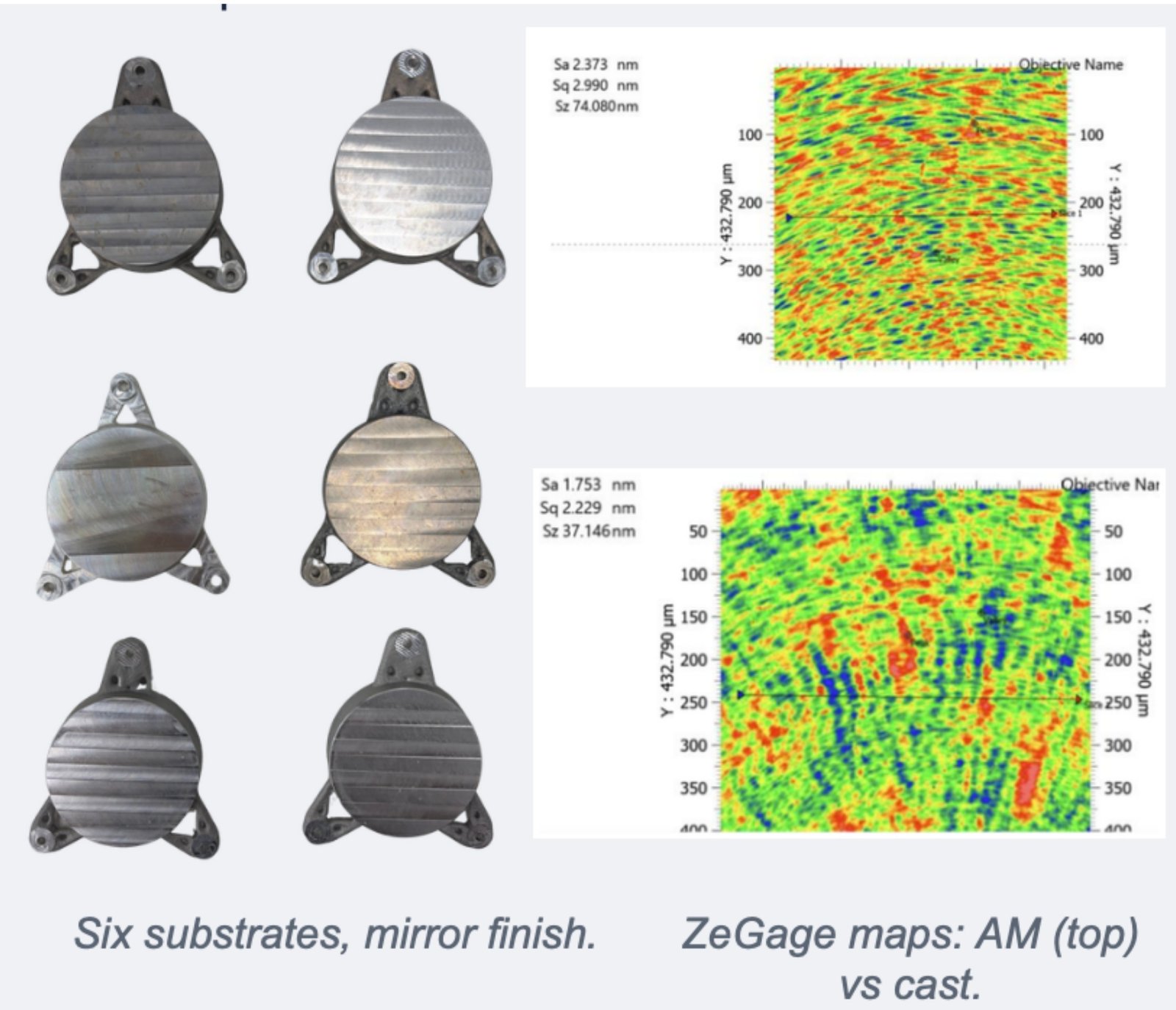
Additively manufactured mirrors for space missions with UK ATC
Can we 3D-print a mirror? Diamond turning and testing of additively manufactured aluminum mirror substrates for space missions, with the UK Astronomy Technology Centre.
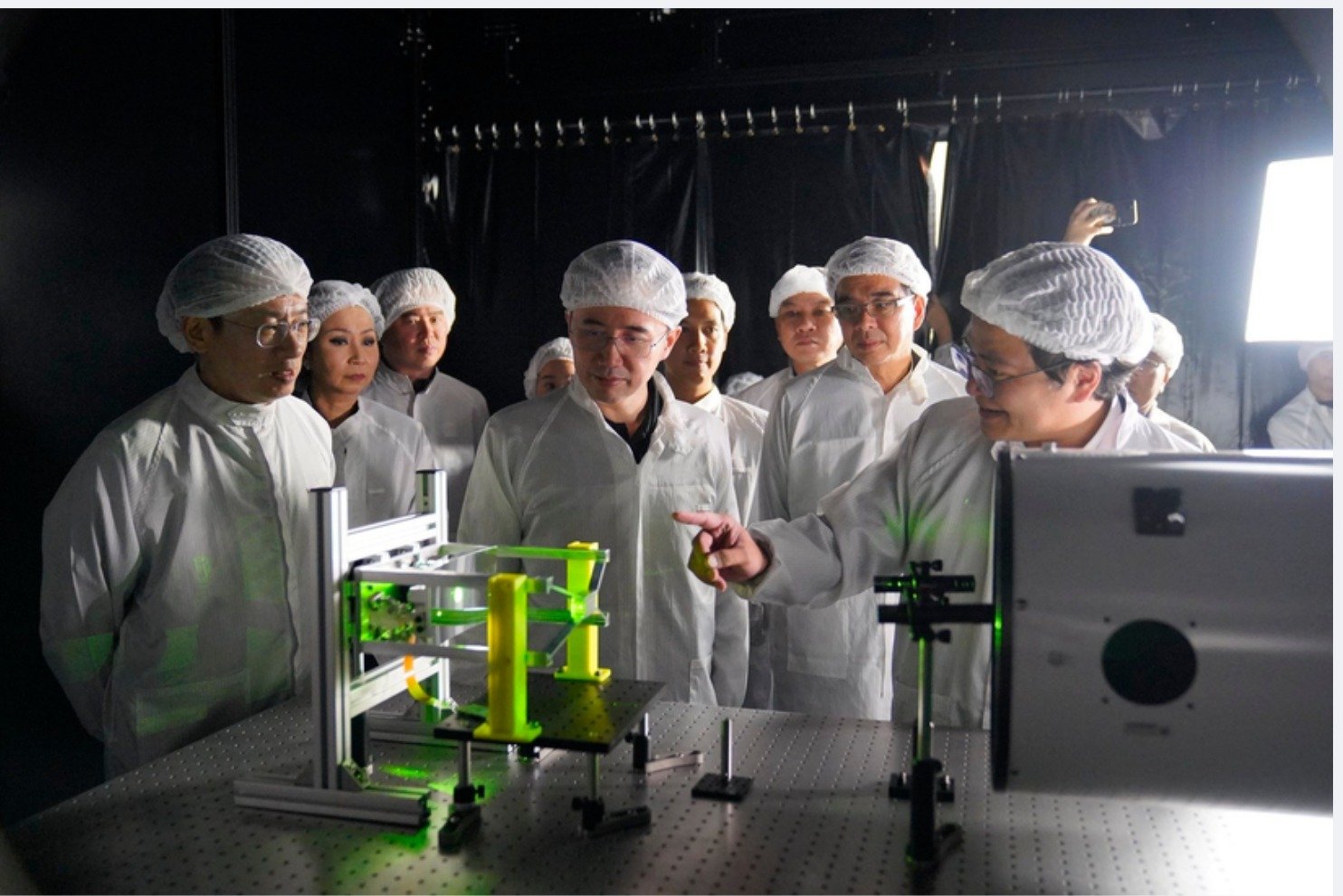
Mirrors for the TSC 6U CubeSat telescope
Primary and secondary mirrors, machined in-house by diamond turning, for the Thai Space Consortium's 3U and 6U CubeSat space telescopes.
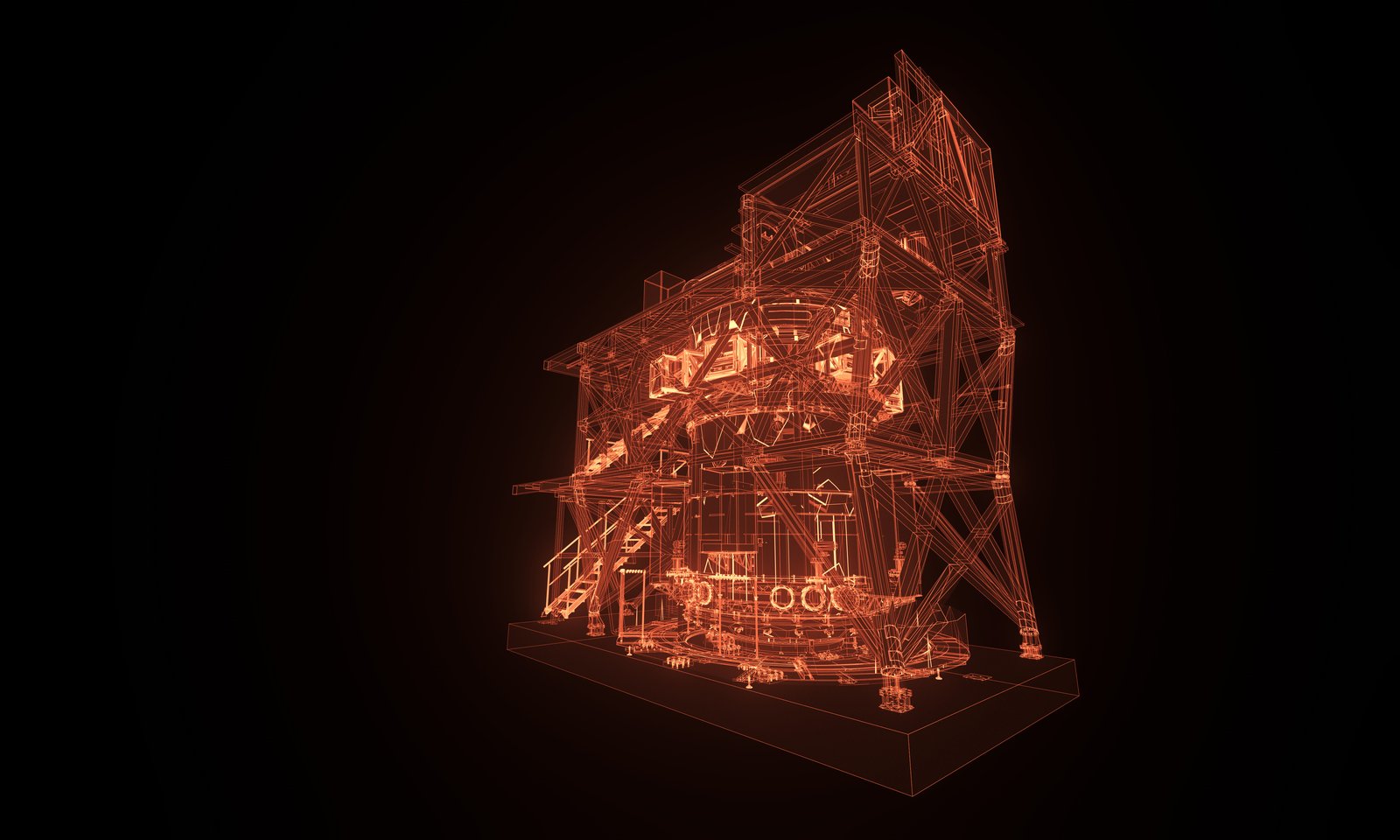
Freeform Zerodur mirrors for ELT/HARMONI
Proposed upgrade of the diamond-turning line to 700 mm and to low-expansion glass (Zerodur, ULE, fused silica), with Oxford's HARMONI team and ESO, aimed at ELT-class freeform optics.