
SEA OtTeRS
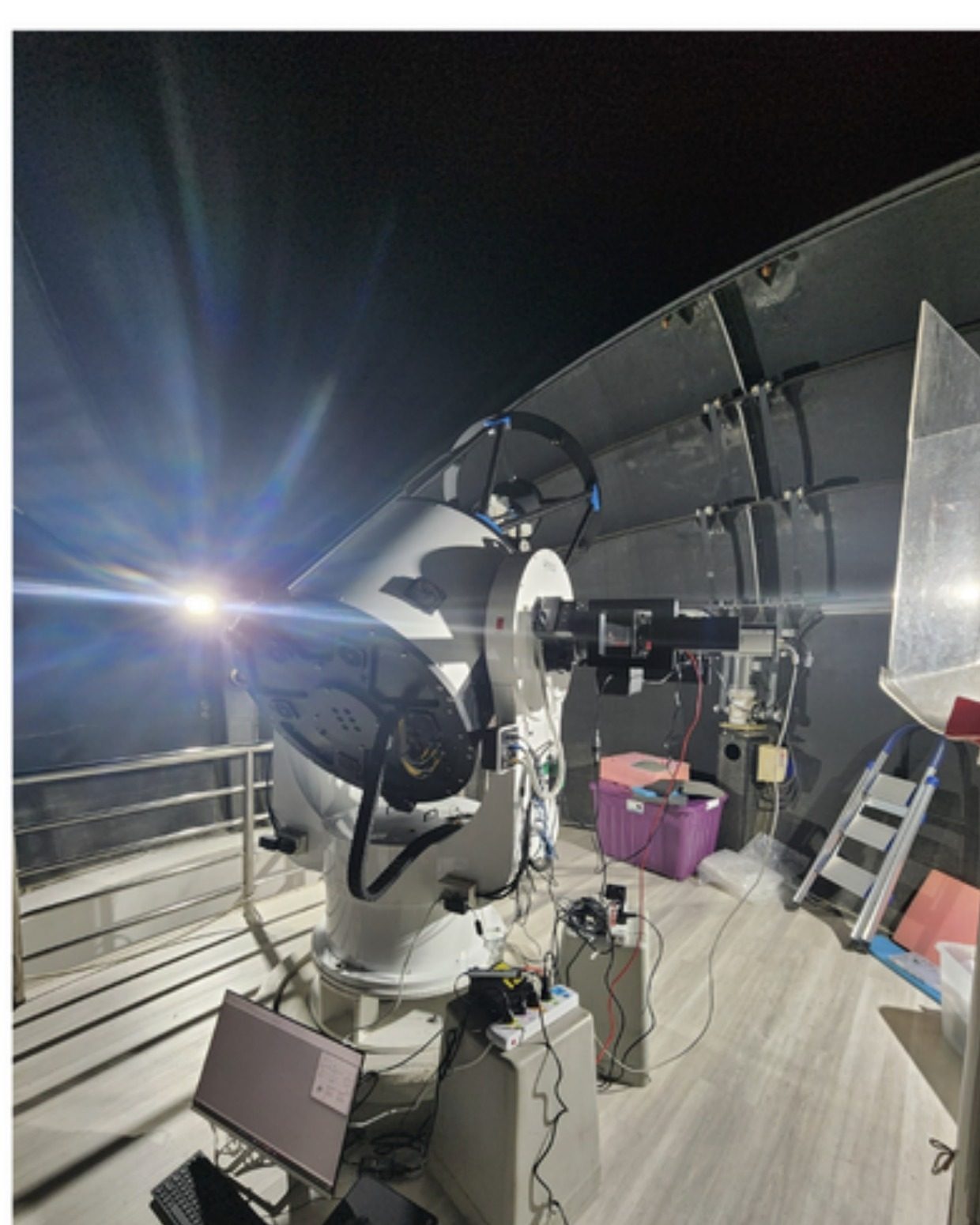
We pool access to telescopes, from small facilities to world-class observatories, to explore how the Universe has evolved and how that evolution has shaped its large-scale structure and galaxies. The observations are made through redshift surveys and time-domain monitoring to peer into the ever-changing nature of galaxies and active galactic nuclei. Machine-learning techniques and artificial intelligence are used to extract hidden parameters and information where the data are sparse or incomplete. At the same time, we are building all-in-house low-resolution spectrographs with robotic capabilities for the 2.4-m and 0.7-m telescopes to serve as the workhorses for spectroscopic follow-up of transients and time-domain events in Thailand.
What we work on
Redshift surveys and time-domain monitoring, with machine learning where the data are sparse.
H II galaxies as cosmic rulers
Compact star-forming galaxies whose Hβ luminosity tracks their velocity dispersion, giving an independent distance ladder from the local Universe to z > 2.
Black holes and their host galaxies
How supermassive black holes grow together with their hosts, read from AGN variability, host morphology, and reverberation lags.
Dark matter and dark energy
Mission simulations for ESA's ARRAKIHS and machine-learning inference for JWST-era galaxies, feeding tests of the dark sector.
Cosmic structure and the star-formation history
Protoclusters from z = 6.5 to cosmic noon, bursty star formation in the JWST era, and how environment and spin regulate galaxy growth.
Spectroscopic instrumentation
All-in-house low-resolution spectrographs for the 2.4-m TNT and the 0.7-m robotic telescopes, built for rapid follow-up of transients and AGN.
Facilities we use
2.4-m Thai National Telescope (TNT); 0.7-m Thai Robotic Telescope (TRT); 10.4-m Gran Telescopio Canarias (GTC). NARIT's CHALAWAN cluster runs the ARRAKIHS simulations.
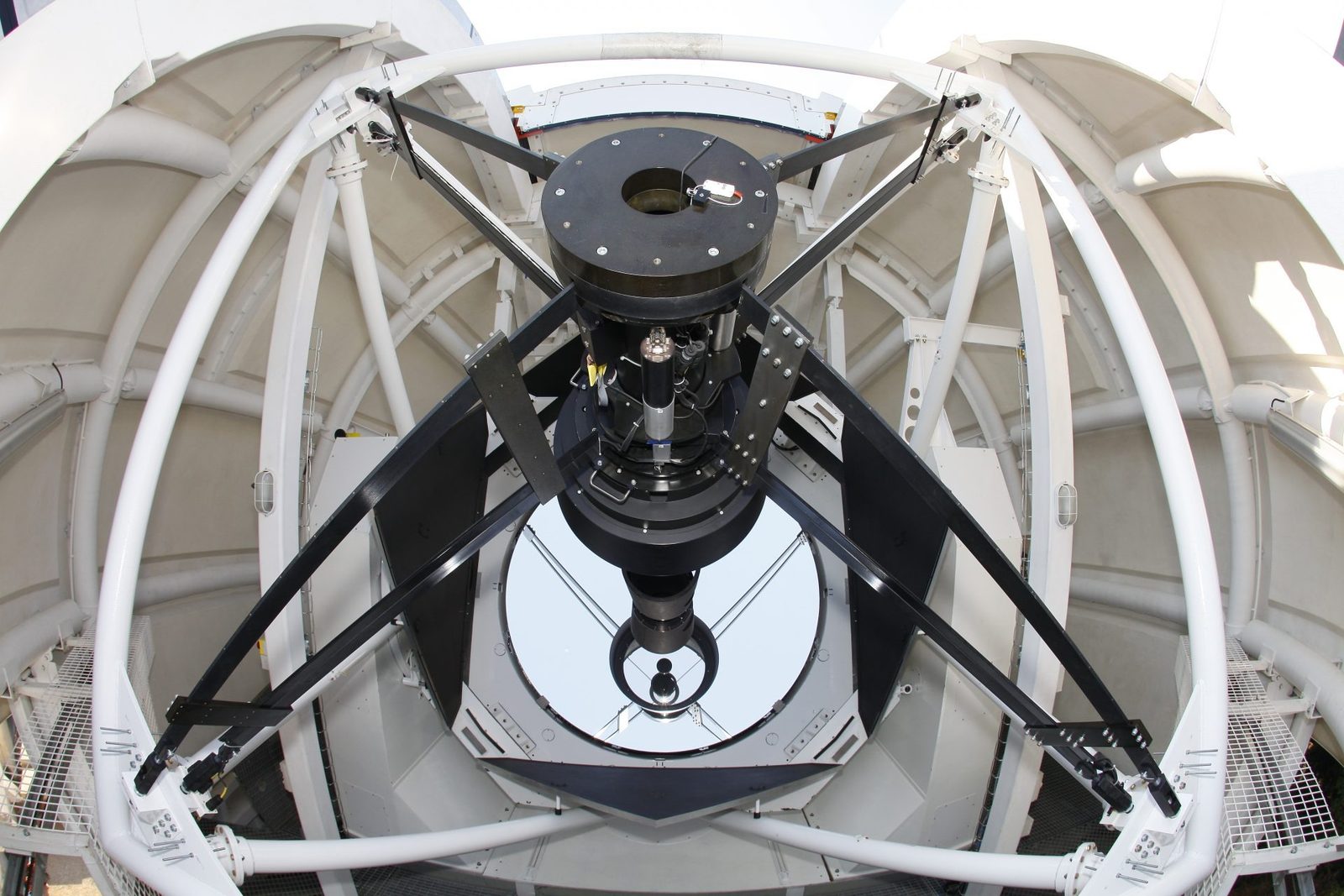
2.4-m Thai National Telescope
Doi Inthanon, 2,457 m. Home of ULTRASPEC, MRES, and the LRS. ~120 photometric nights a year.
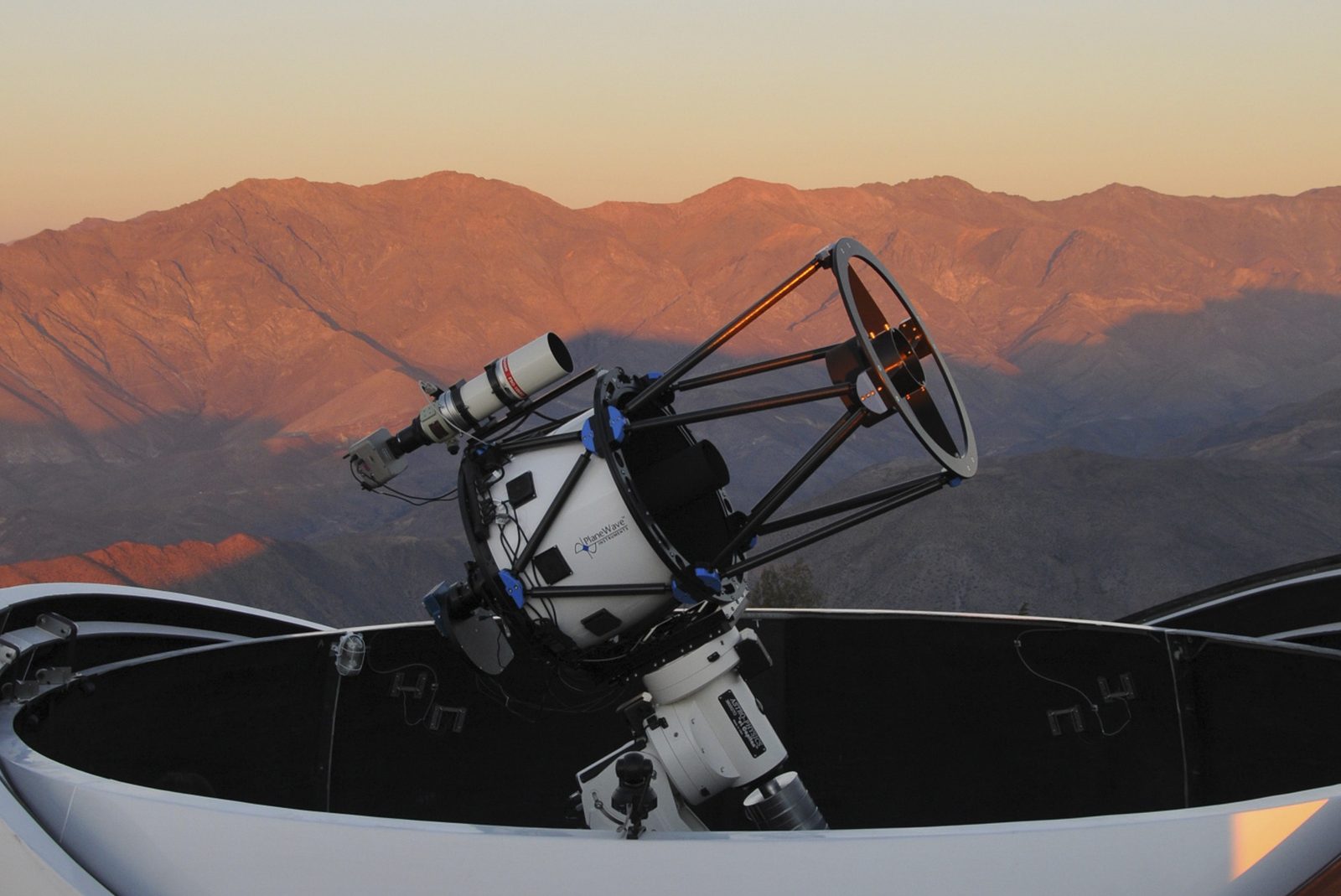
Thai Robotic Telescope network
0.7-m robotic nodes in Chile, China, the USA, Australia, and Thailand — CoLoRS gives every node a spectroscopic voice.
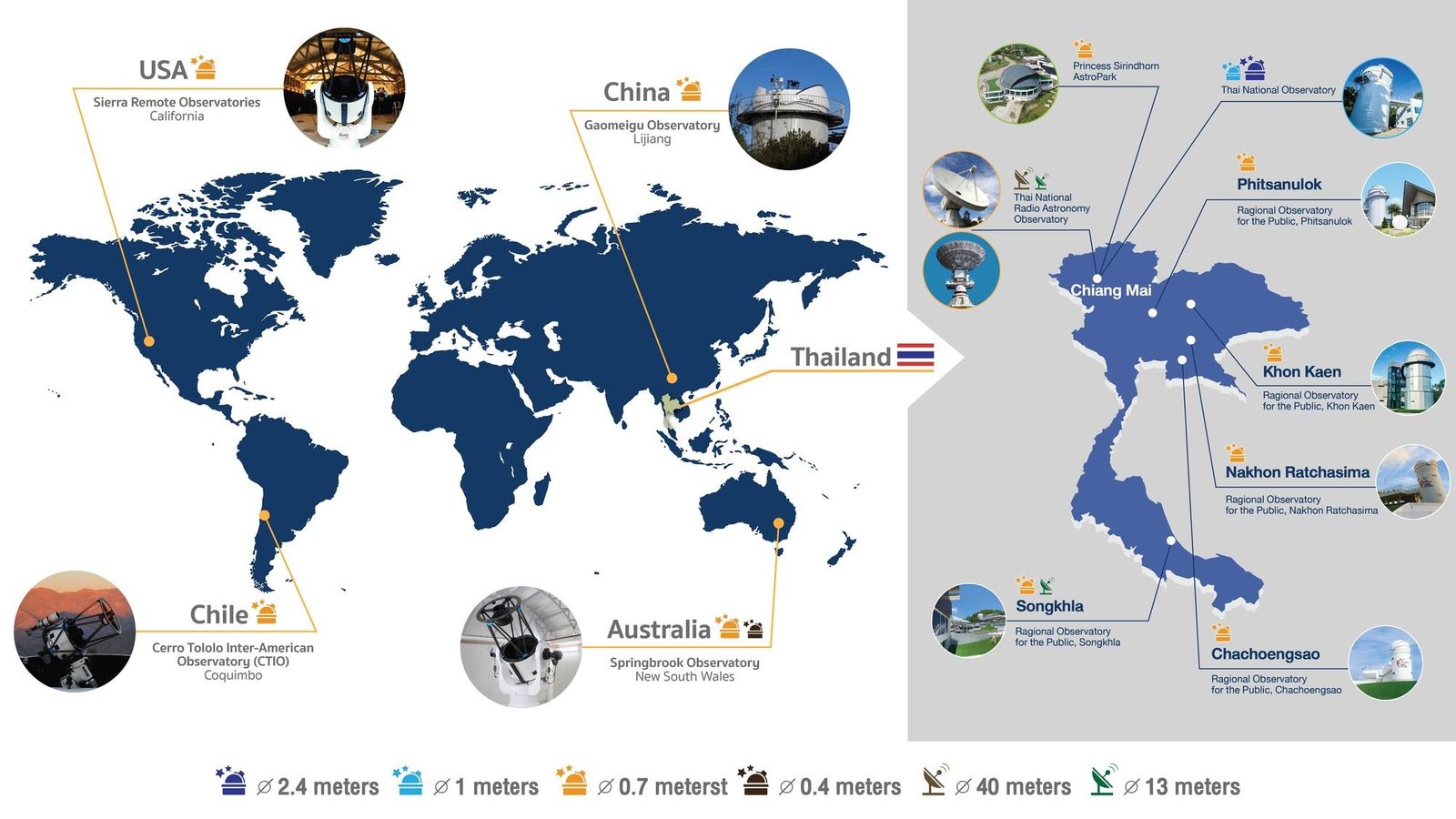
Regional and world coverage
Longitude coverage near 100° E fills a gap left by the large observatories, with < 6 h to any right ascension across the network.
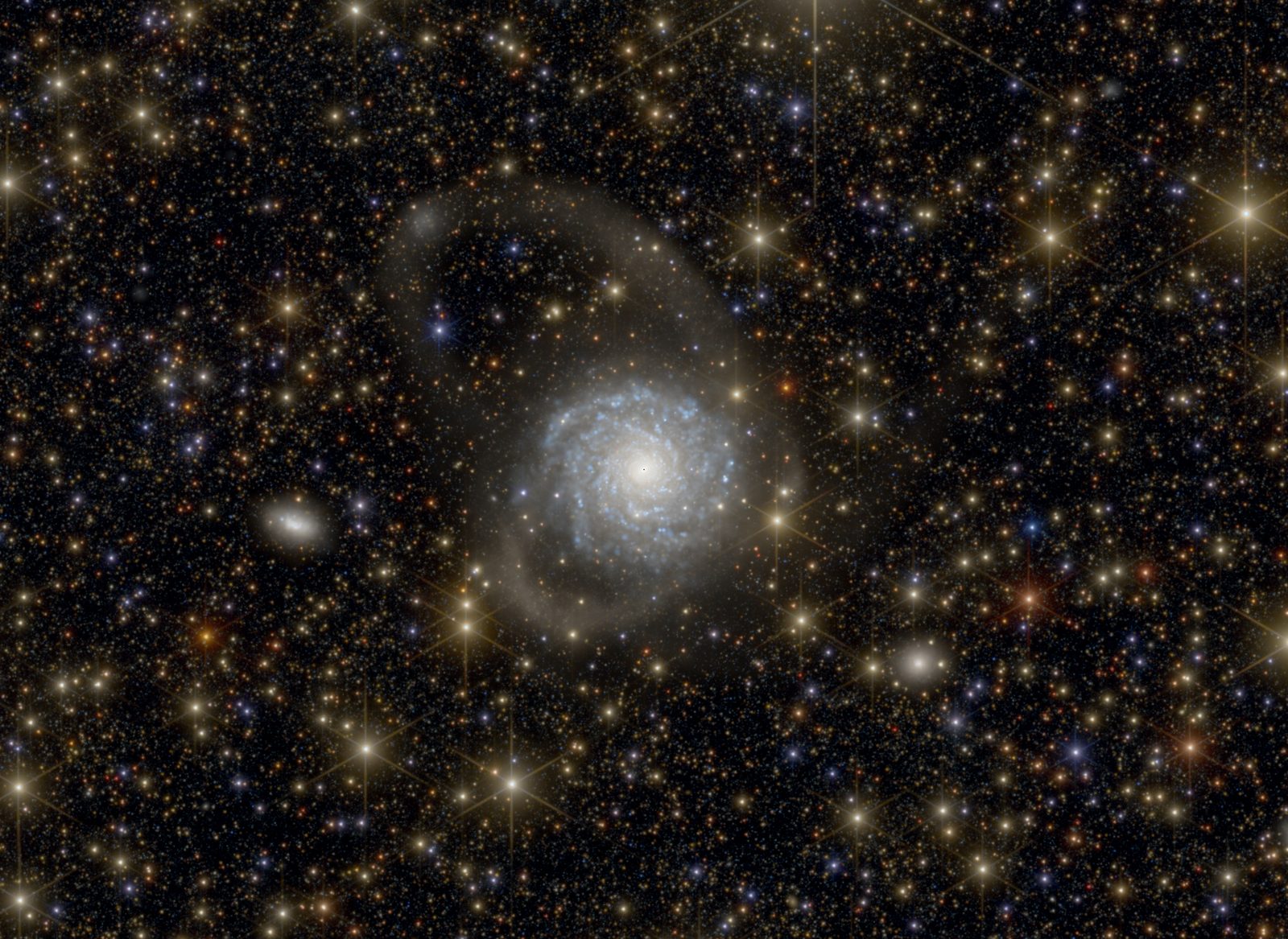
ARRAKIHS mission simulations
Mission simulations and mock observations for ESA's ARRAKIHS dark-matter space telescope; NARIT is the first Thai institute in an approved ESA mission.
Photometric reverberation mapping of a z = 0.535 AGN in MACS J1149
Multi-band (ugriz) monitoring of an AGN behind the galaxy cluster MACS J1149 with ULTRASPEC on the 2.4-m TNT to measure time lags and infer the black-hole mass.
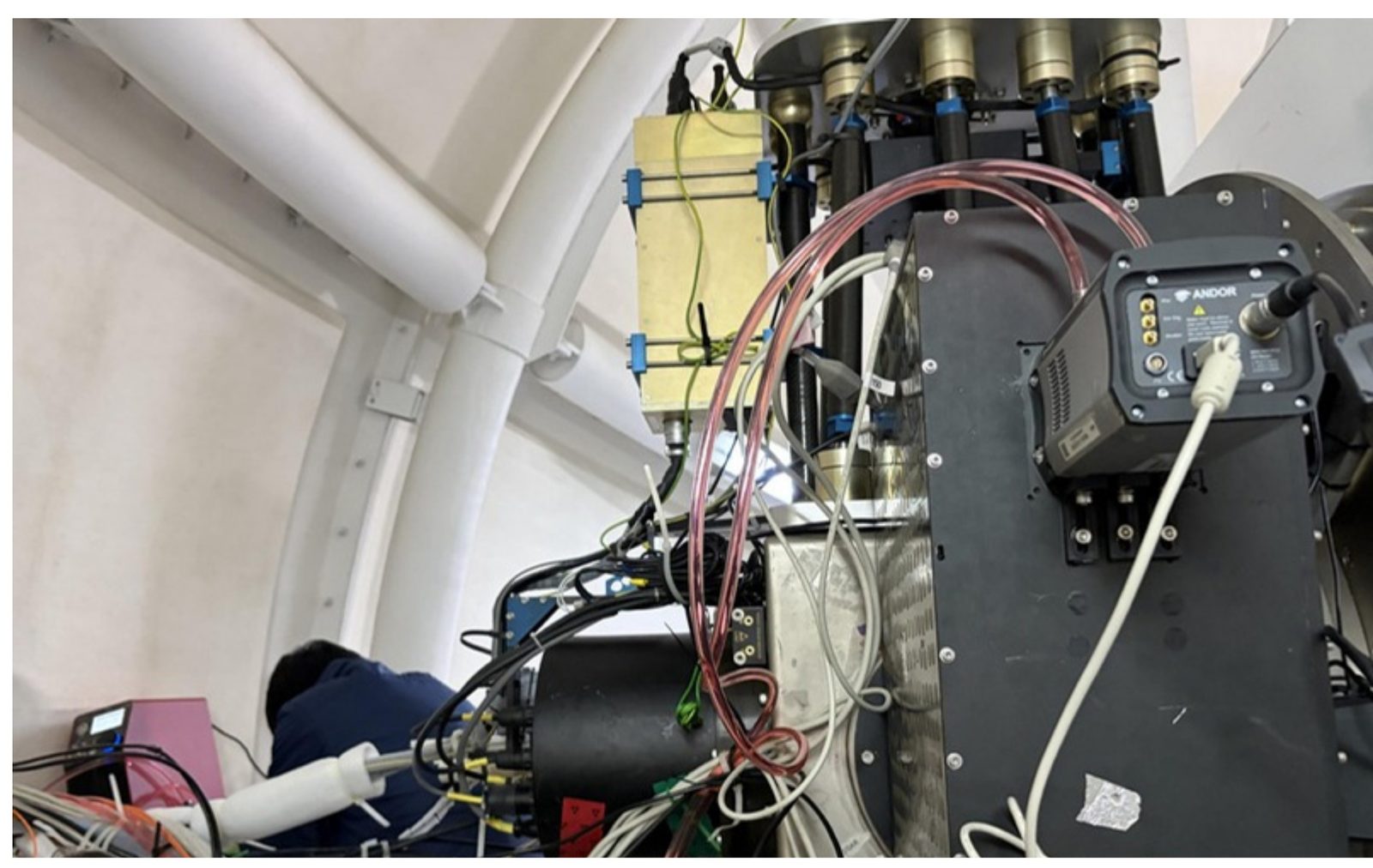
Low-Resolution Spectrograph for the 2.4-m Thai National Telescope
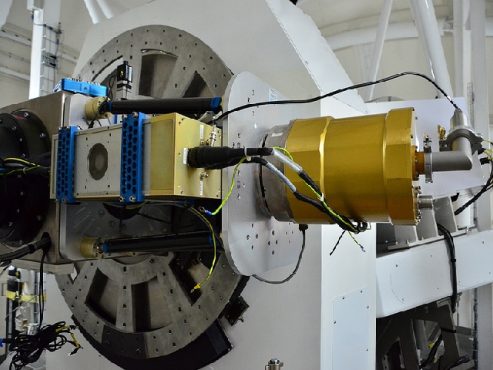
Interchangeable long-slit spectrograph for the 2.4-m TNT with on-the-fly slit change, a high-resolution VPH grating, and an off-axis pick-off mirror for guiding.
Compact Low-Resolution Spectrograph for the 0.7-m Thai Robotic Telescopes
Single long-slit spectrograph with dichroic-split iz-band guiding for fully robotic transient classification and AGN reverberation monitoring on the 0.7-m TRT.
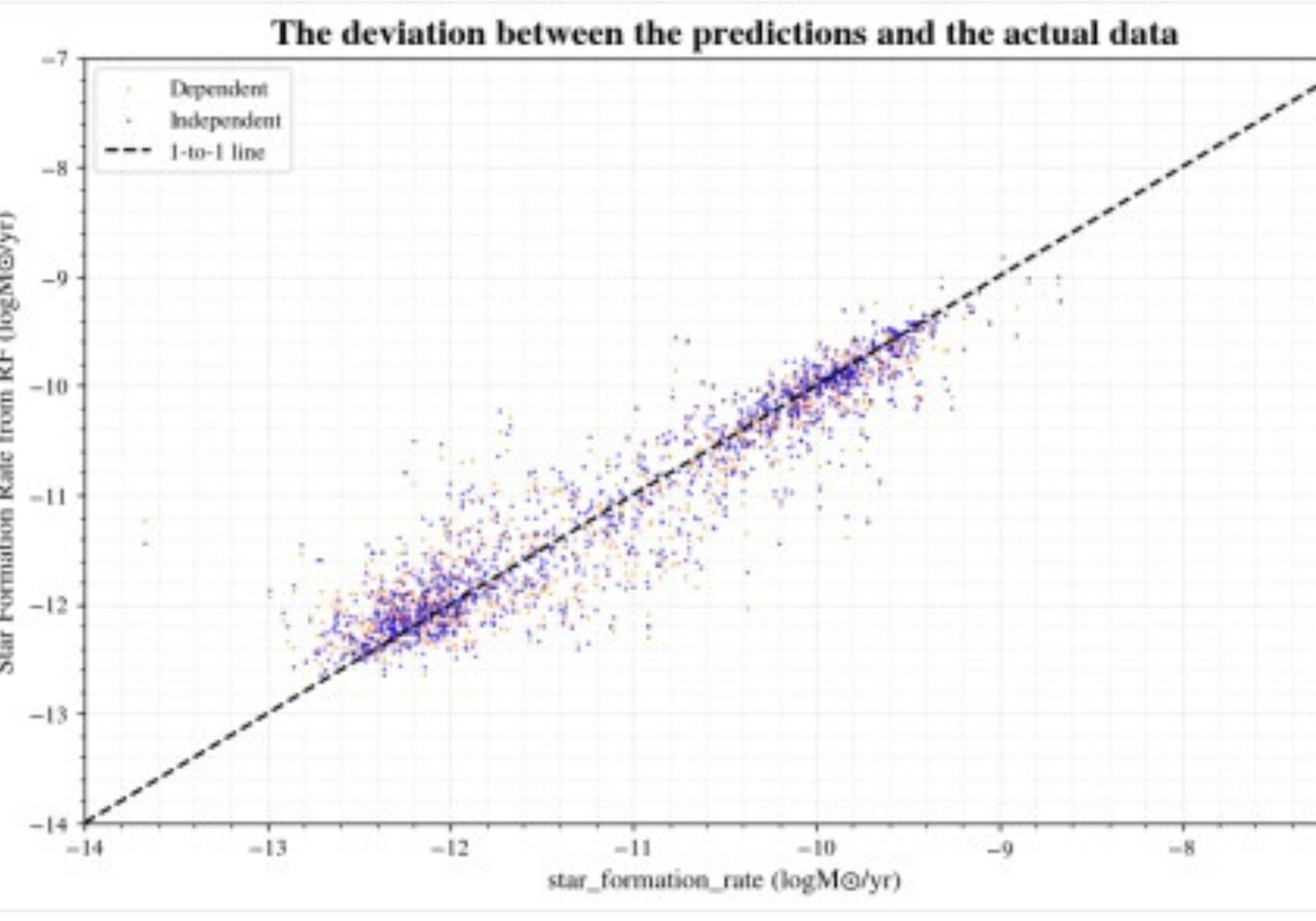
Machine-learning parameter extraction for high-redshift galaxies
Machine-learning inference of physical properties and redshift classes of JWST-era high-redshift galaxies from photometry and imaging.
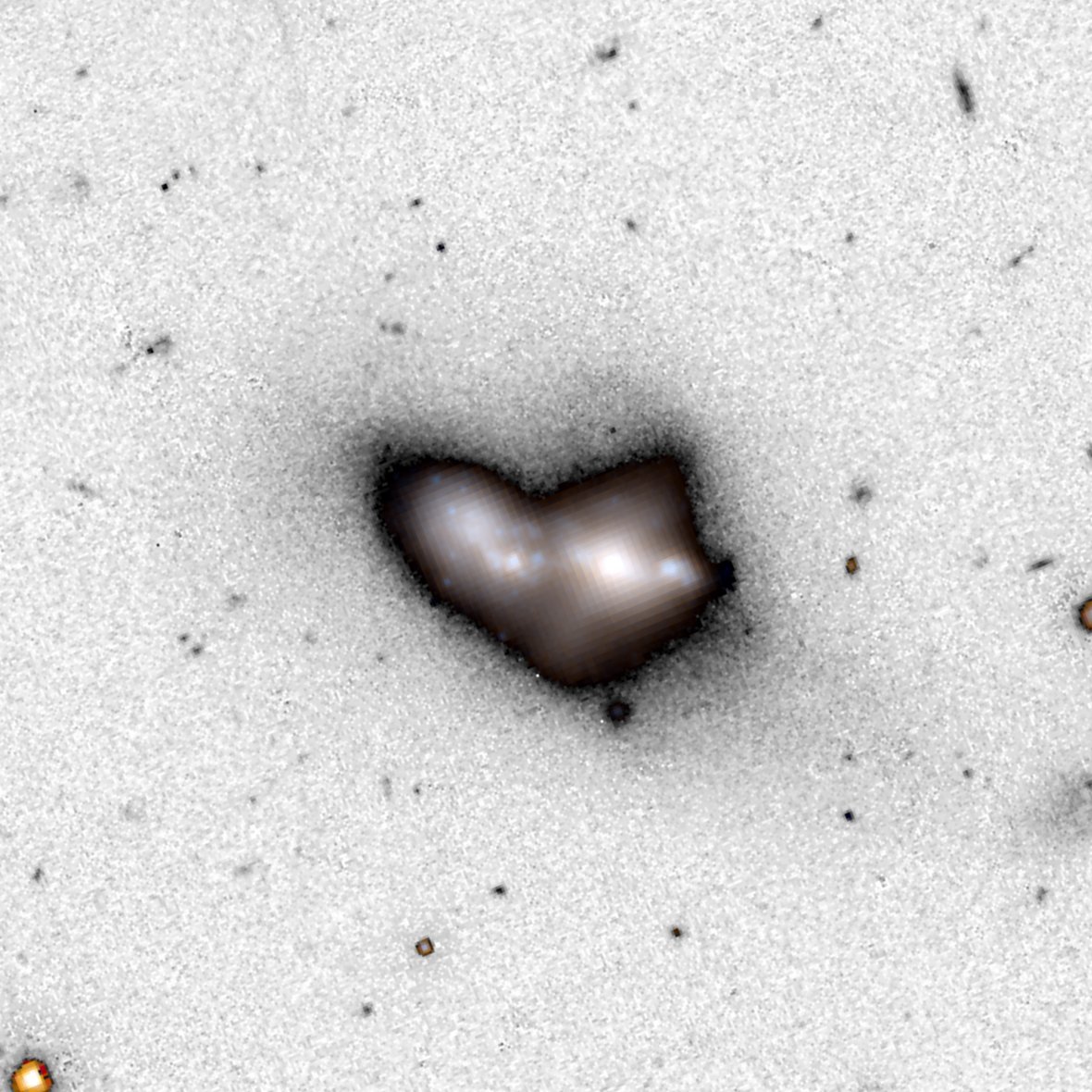
Local H II galaxies with GTC/MEGARA
Spatially resolved IFU spectroscopy of local luminous compact blue galaxies as low-redshift analogs of high-redshift galaxies and as cosmic distance indicators.
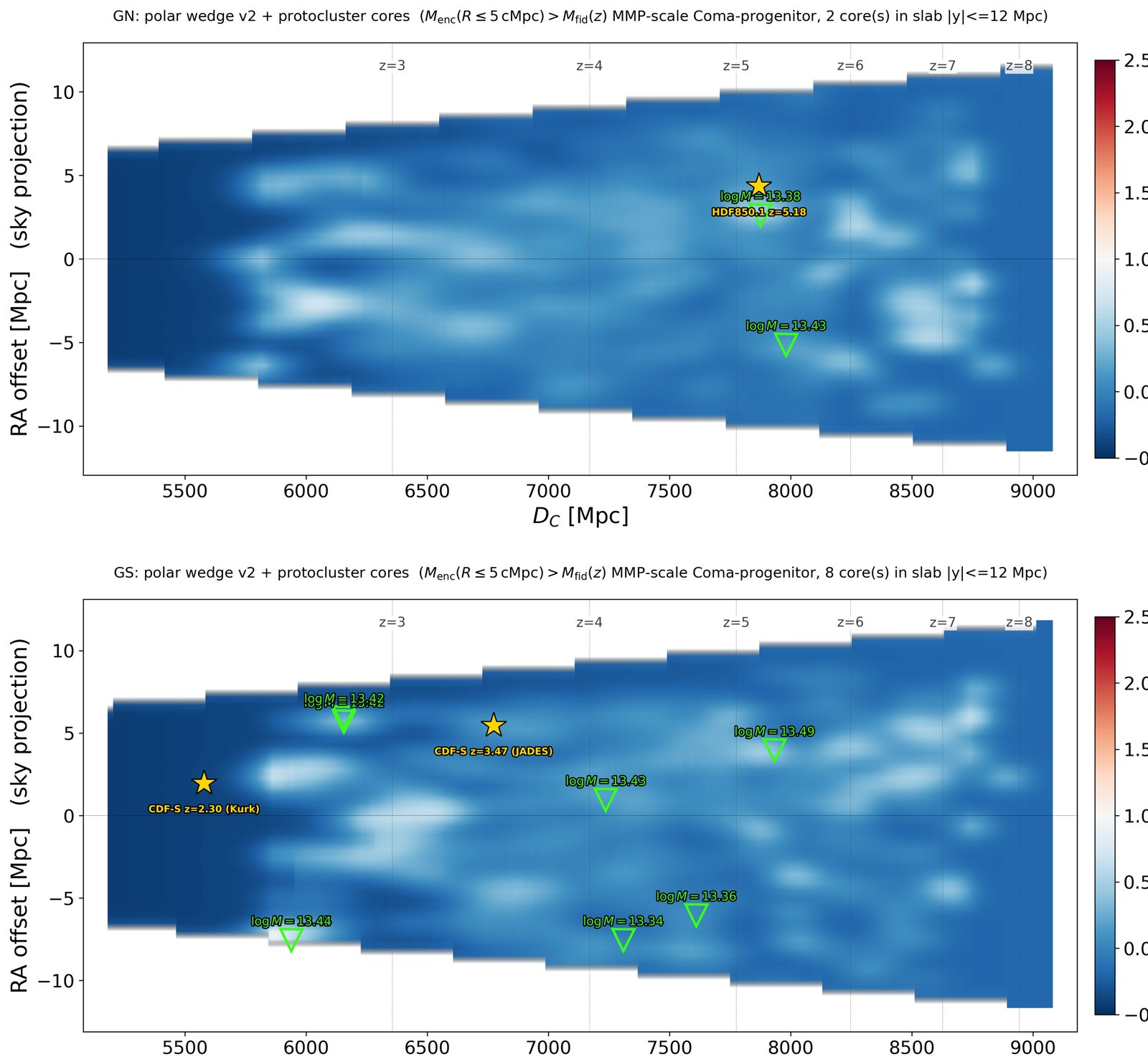
Bursty star formation at z > 6 in the JWST era
How large-scale structure formation enhances or quenches star formation on the main sequence at z > 6, toward the epoch of first assembly and reionization.
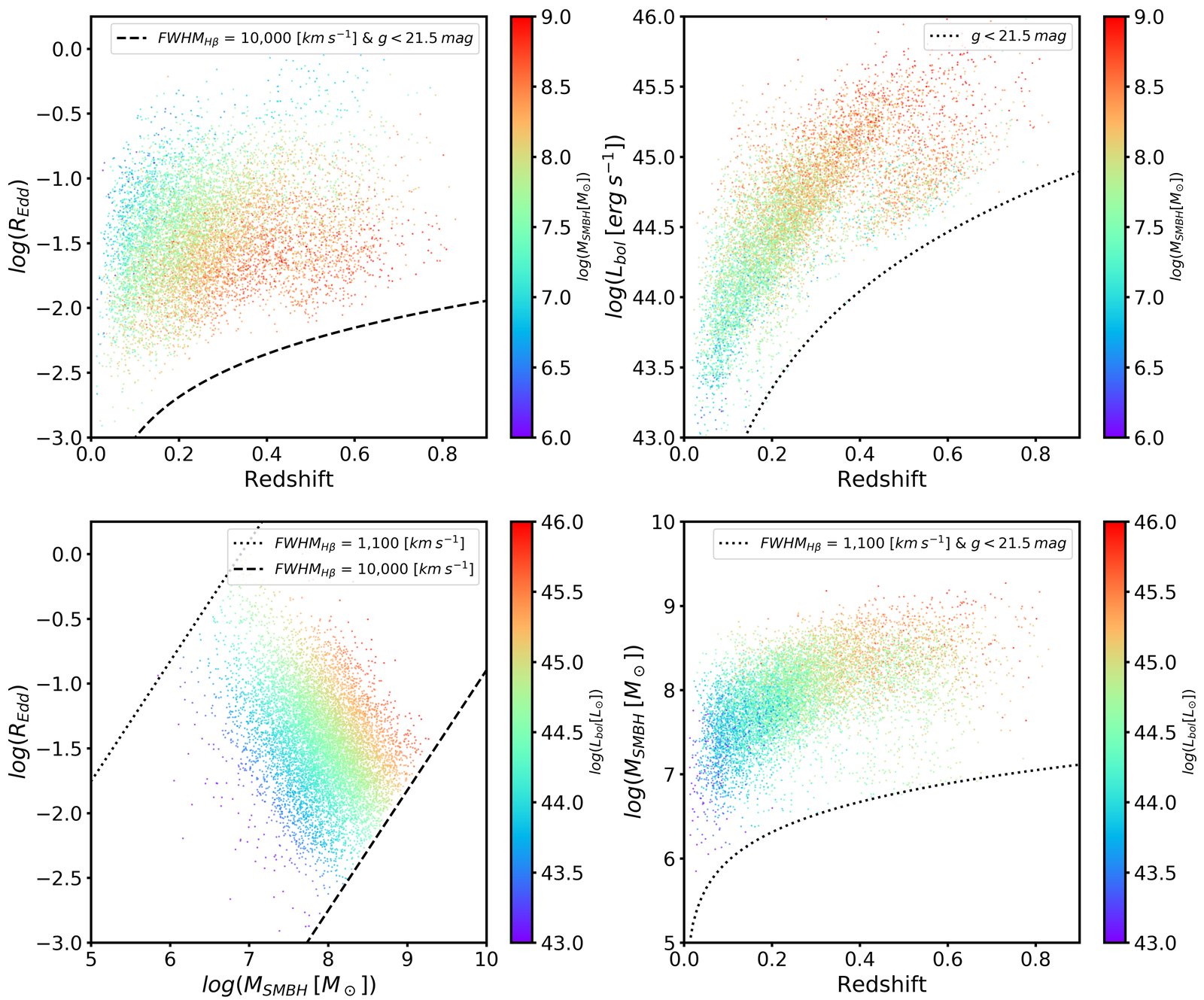
Ensemble AGN variability in SDSS DR17
Ensemble structure functions of intrinsically low-luminosity AGN at z < 0.84 from PCA-decomposed SDSS spectra (Chanchaiworawit & Sarajedini, ApJ 2024).
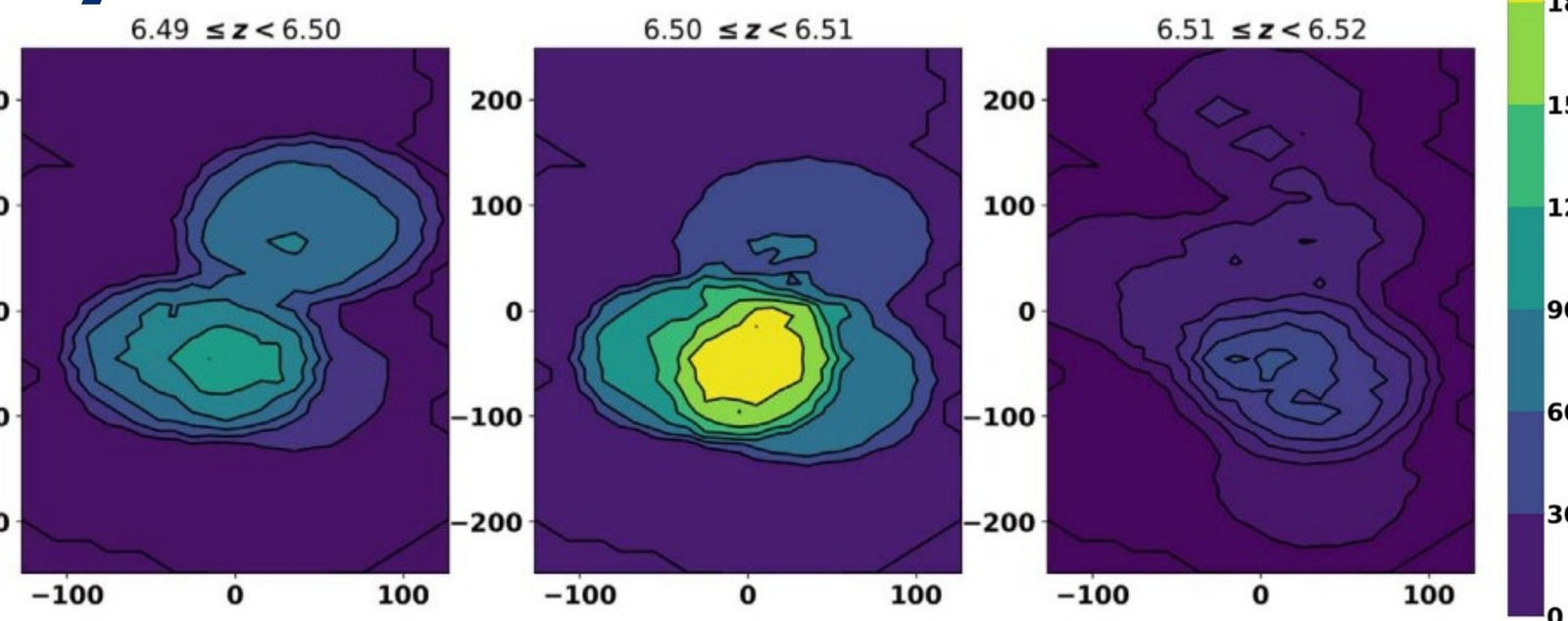
Lyman-α emitter protocluster at z = 6.5
Discovery and spectroscopic confirmation of a Coma-analog protocluster of Lyman-α emitters at z = 6.5 with the 10.4-m GTC (OSIRIS imaging and multi-object spectroscopy).
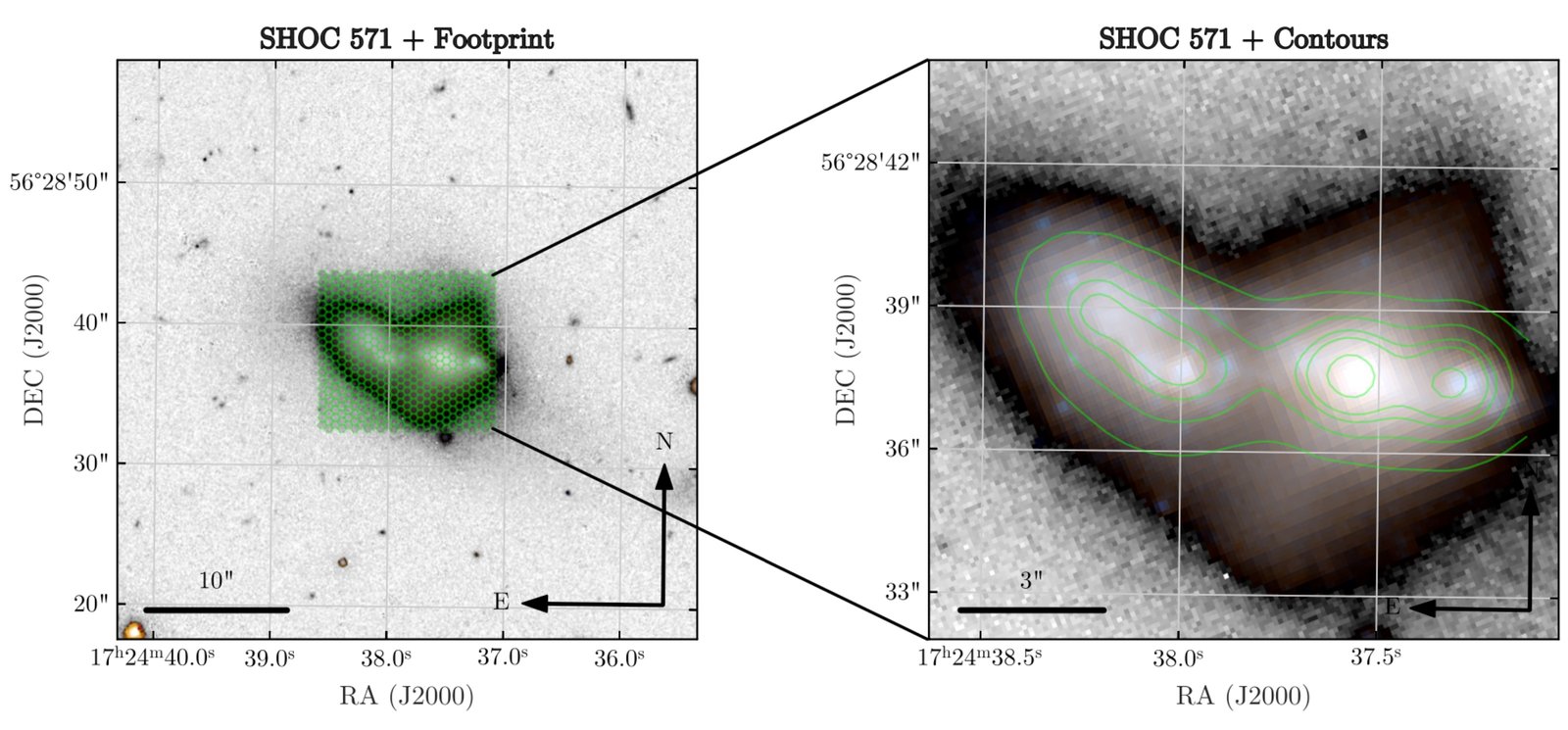
H II galaxies at z ≈ 1.5–2.5 with GTC/EMIR
Near-infrared multi-object spectroscopy of H II galaxies at z = 1.5–2.5 with EMIR on the 10.4-m GTC, extending the L(Hβ)–σ relation as a cosmic distance indicator.
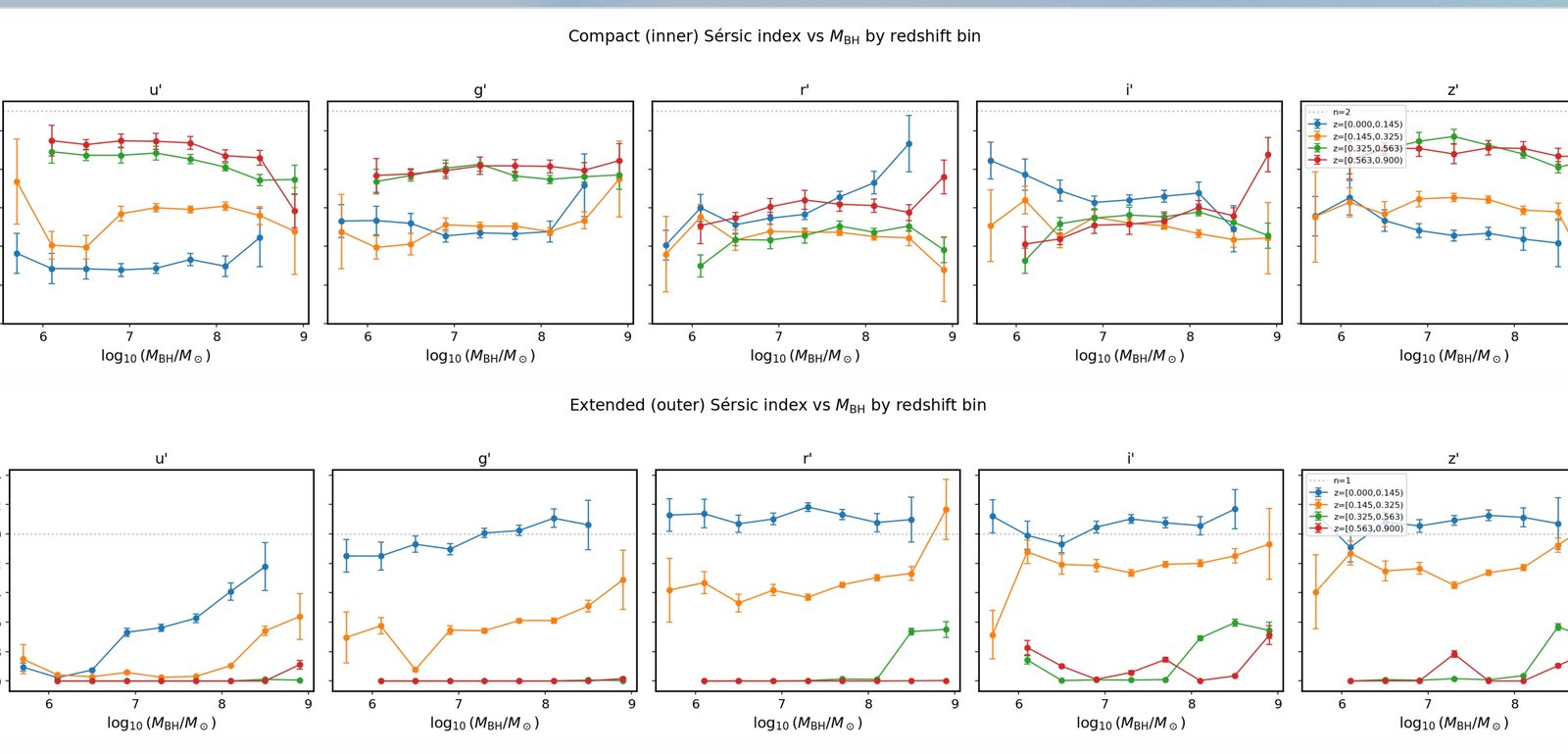
AGN host-galaxy morphology across cosmic time
Sérsic-profile decomposition of ~16,000 SDSS AGN hosts as a predictor of supermassive black-hole growth (Klipbua, Chanchaiworawit & Sarajedini, APRIM 2026).
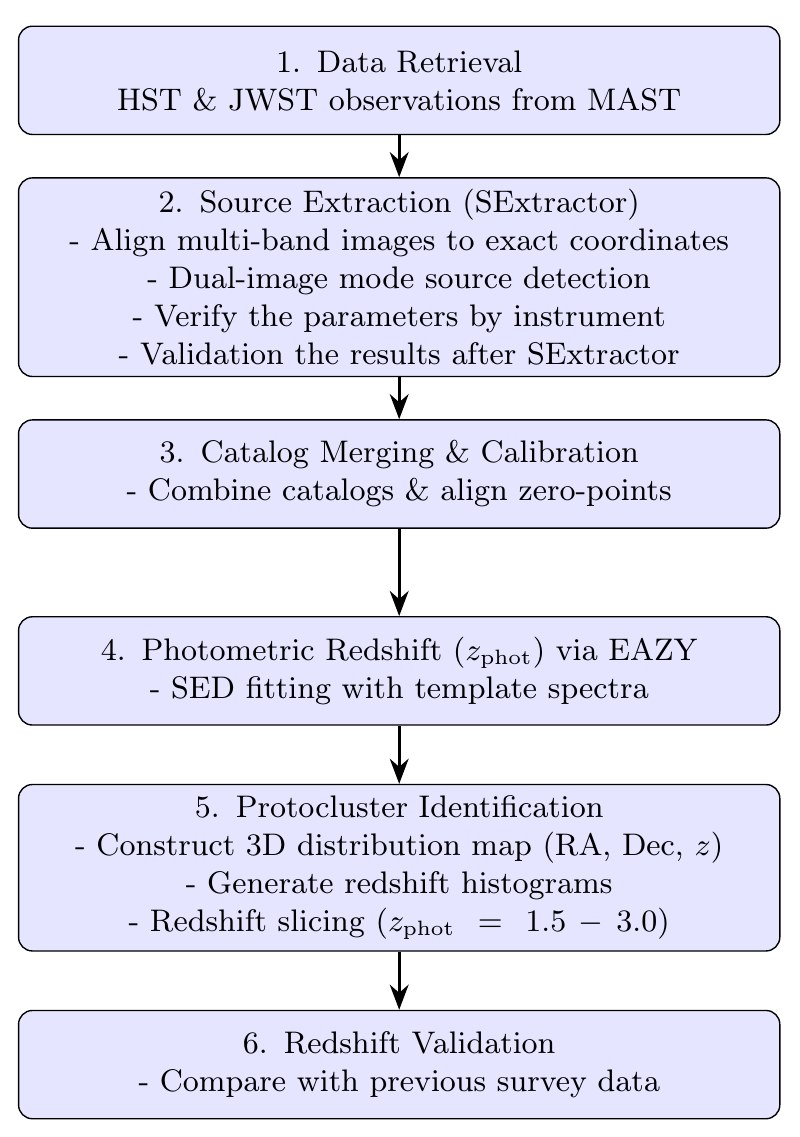
Protocluster candidates at cosmic noon (z = 1.5–3.0)
Building a unified catalog of protocluster candidates at z = 1.5–3.0 from the JWST PASSAGE and SAPPHIRES pure-parallel surveys, and measuring their ages, gas fractions, and quenched fractions.
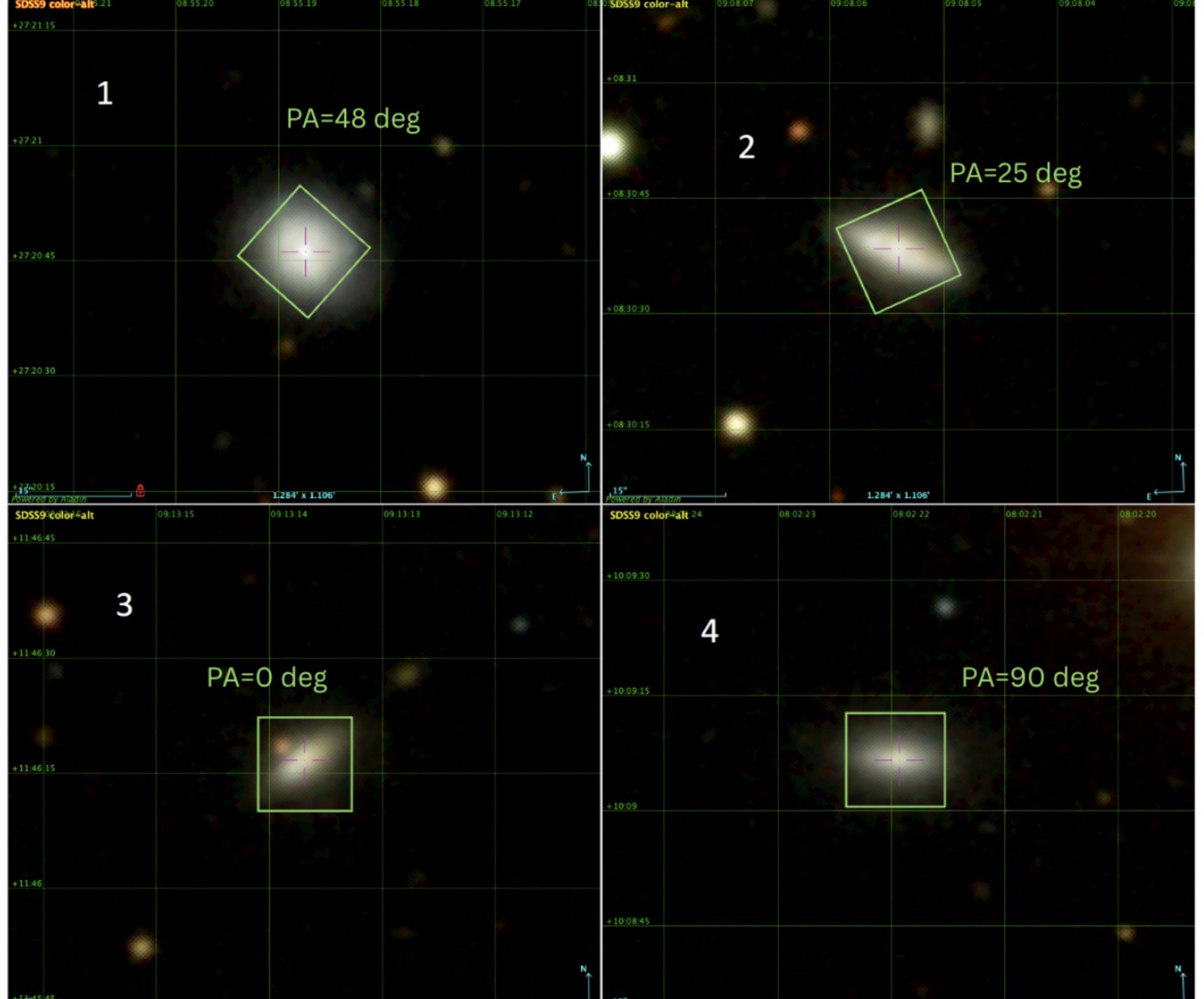
Star formation, spin, and environment with IFUs
Integral-field study of star formation, the spin parameter, and local matter density in galaxies with MEGARA/GTC, MaNGA/SDSS, and Hector/AAT.
People